It took me some time to properly get prepared. And you better Sherlock it when dedicating something to a fellow Sherlock! (A less gifted one ,of course, but nevertheless a true Sherlock.) So lets dive into the Cacao!
We associate Cacao mainly with chocolate nowadays, which is made only from its dried and roasted or unroasted seeds (the beans) . But the fruit and the beans are more versatile. But lets start at the beginning.
Theobroma cacao, also called cocoa, is a tropical evergreen tree (family Malvaceae), whose scientific name means “food of the gods” in Greek. Cacao is grown commercially in the New World tropics as well as western Africa and tropical Asia. From what i find the Ivory Coast is currently the biggest producer.
Cacao grows in the forest understory to a height of 6–12 meters .The cacao trees in Guatemala were smaller then the ones we saw on Sumba. They say 12 meters but i have never seem such a huge one. Maybe 8 max, if even.
Its leathery leaves measure up to 30 cm in length, and are periodically shed and replaced by new leaves that are red when young.
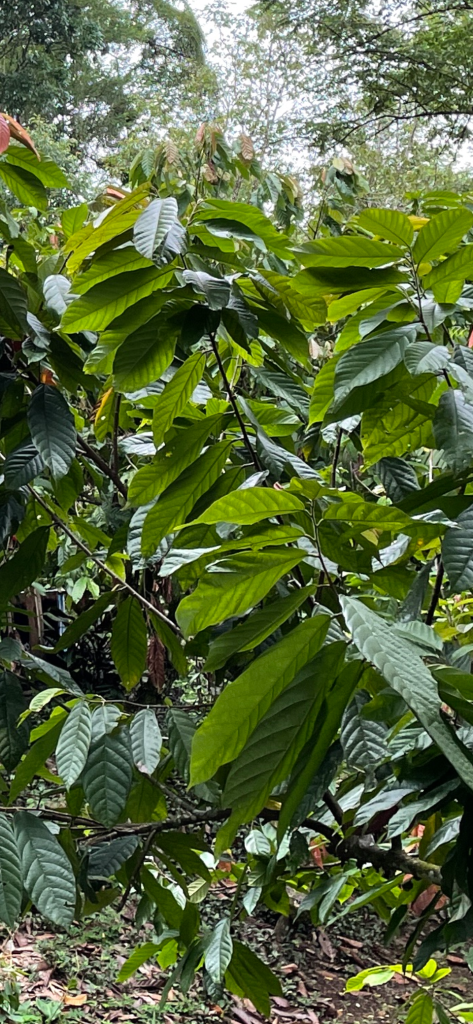
Its flowers are odourless and can be present at all times but appear in abundance twice a year. These beautiful flowers grow in clusters directly from the trunk and limbs and are about 1 cm big.
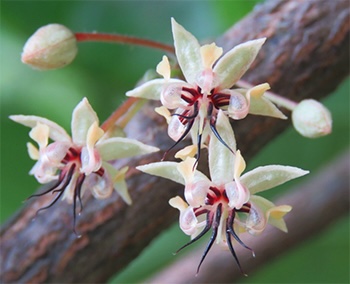
I only ever saw the white ones but people told me that they can be pink, yellow, or red, depending on the variety. Pollination is done by a tiny fly called: midge. I am not as sure as Erica if the midge really is the exclusive pollinator (i would guess that geographically there should be different ones) and have not managed to get a pic of one, yet.
But this is what they look like:
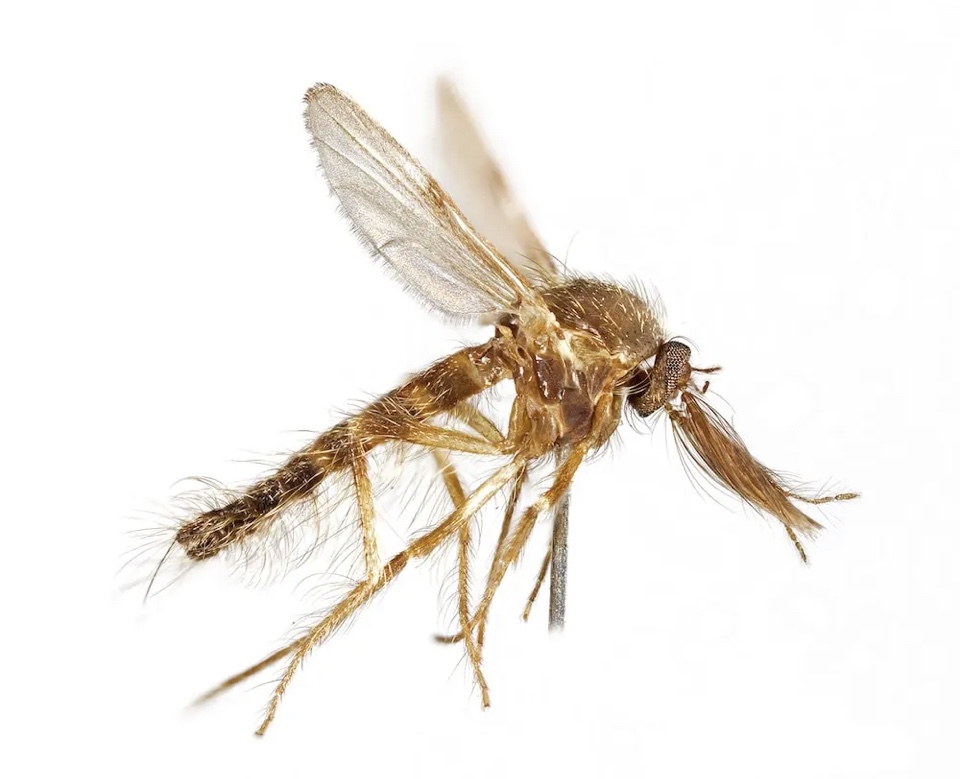
I dont like the article but more on midges here:
https://www.sciencefriday.com/articles/meet-the-flies-that-pollinate-cocoa-trees/
Just getting land and planting some trees is not really the way forward since climate and humidity play quite an important role.
Also it takes 3-4 ! years for the cacao tree to mature and it then produces fruits in the form of these pods.
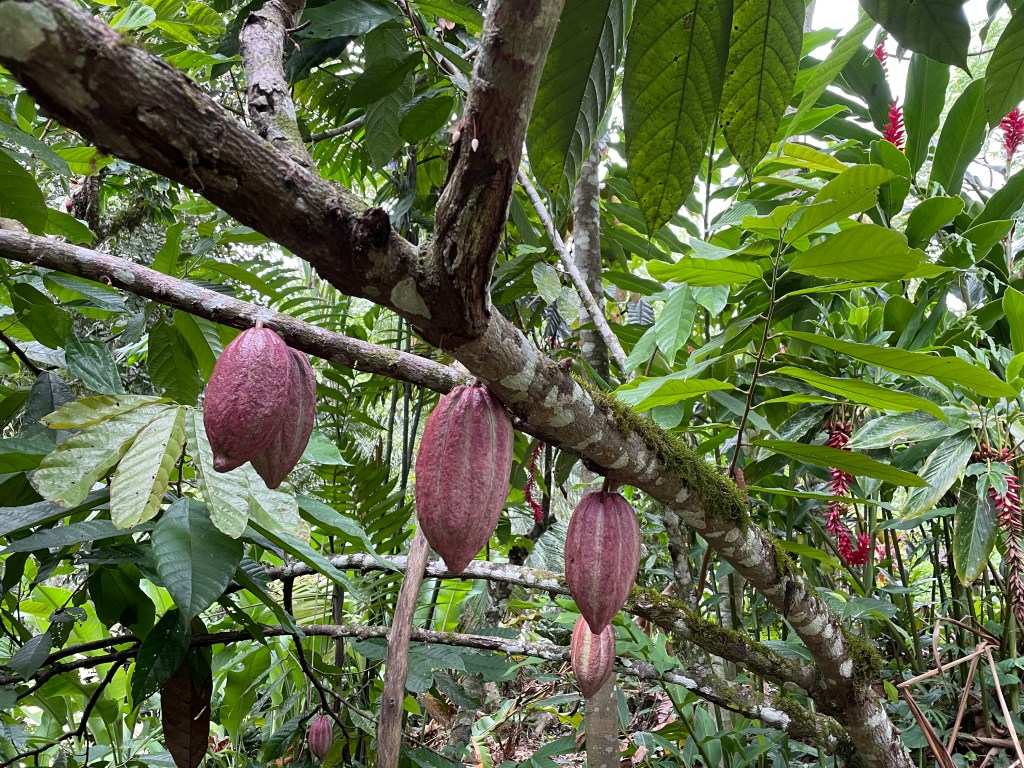
It may yield up to 70 such fruits annually. The pods, or cherelles, range in colour from yellow to purple to orange.
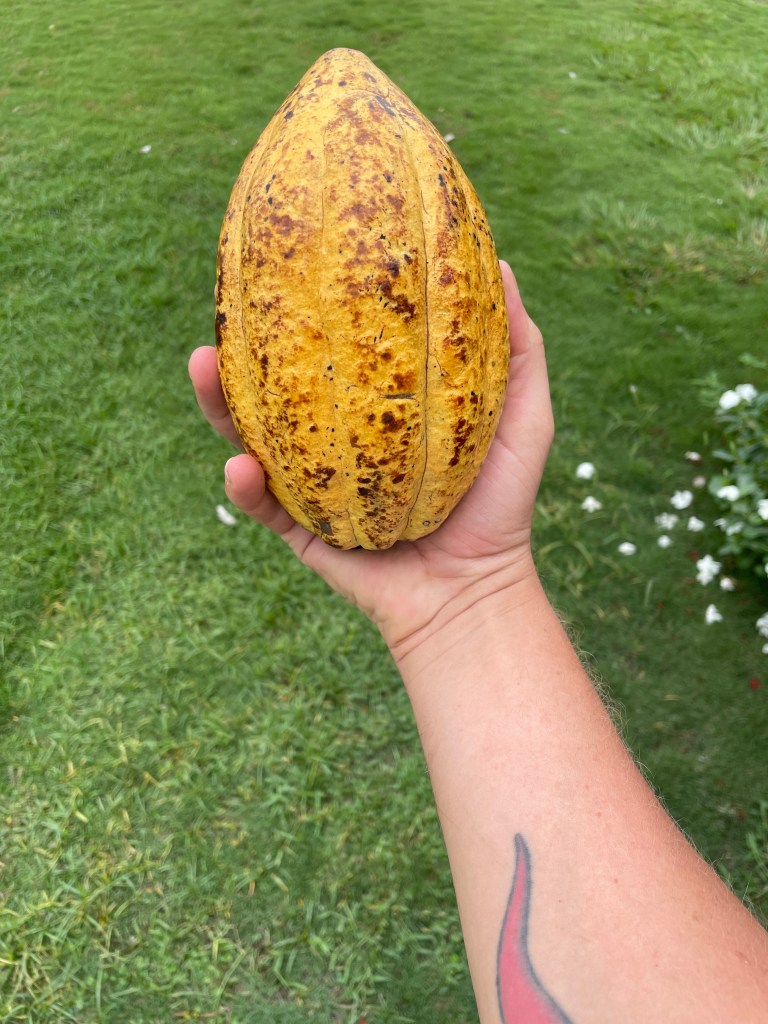
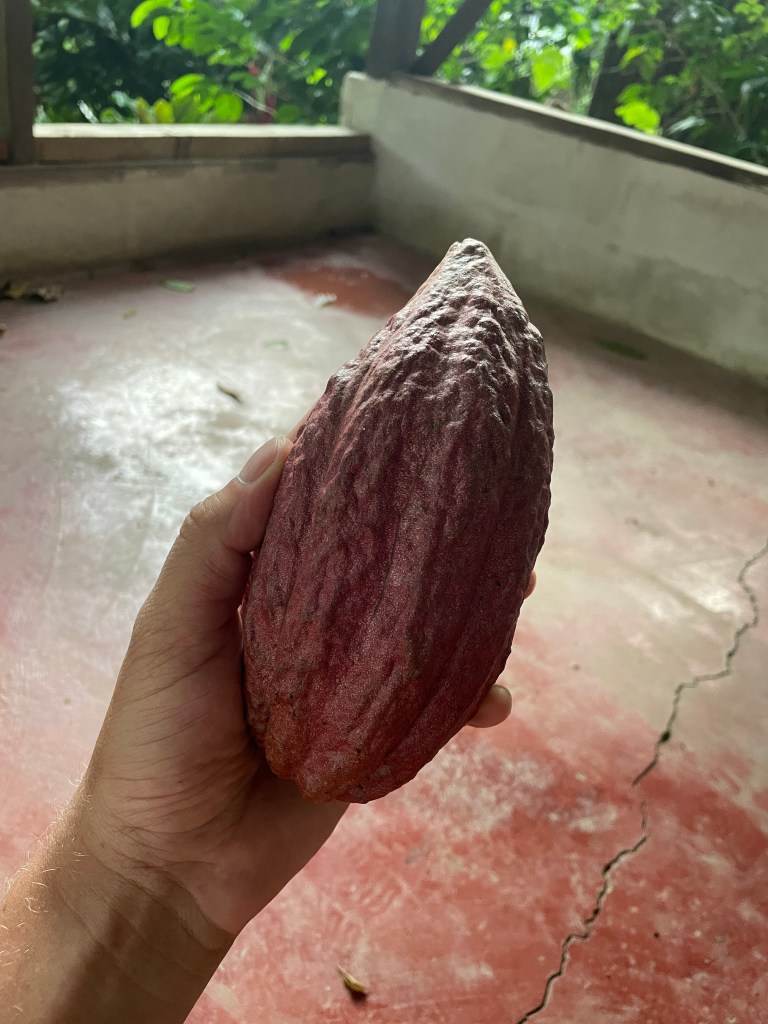
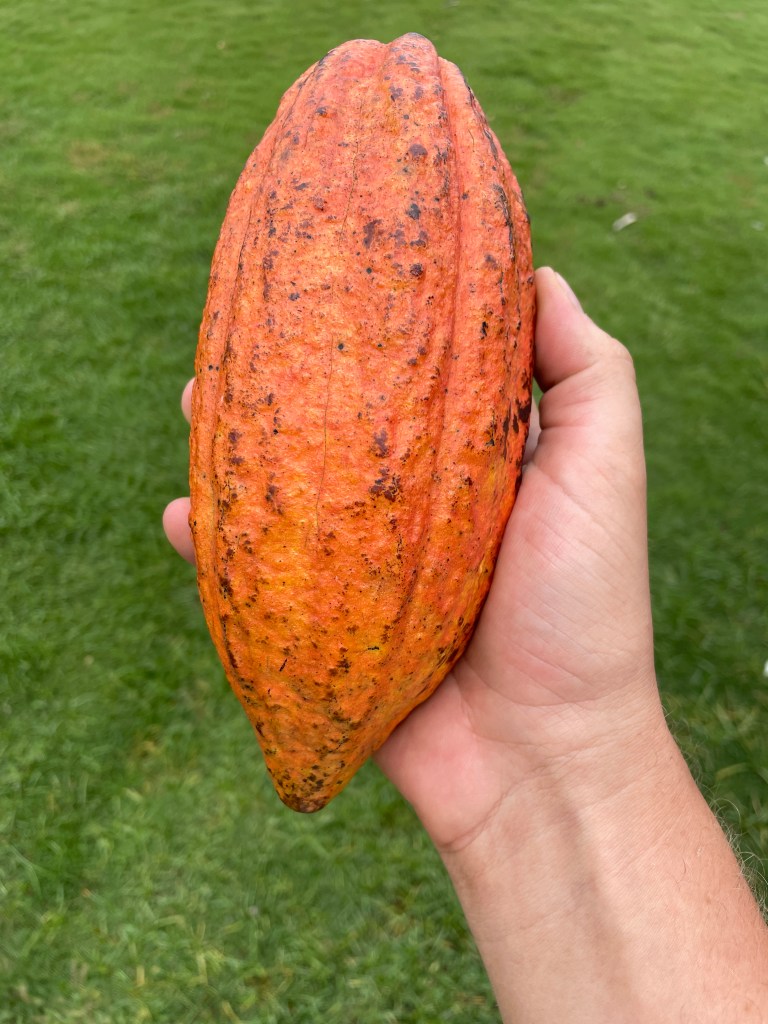
They ripen in less than six months to a length up to 35 cm and a width at the centre of 12 cm. Each pod has numerous ridges running along its length and holds 20 to 60 seeds, or beans, arranged around the long axis of the pod.
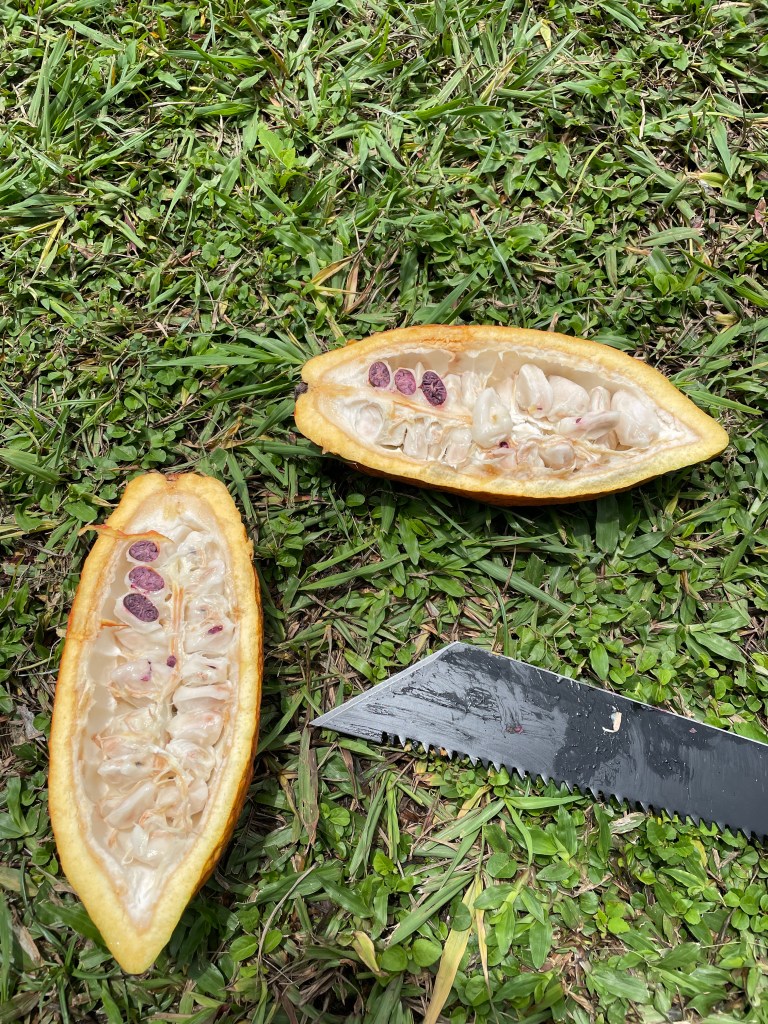
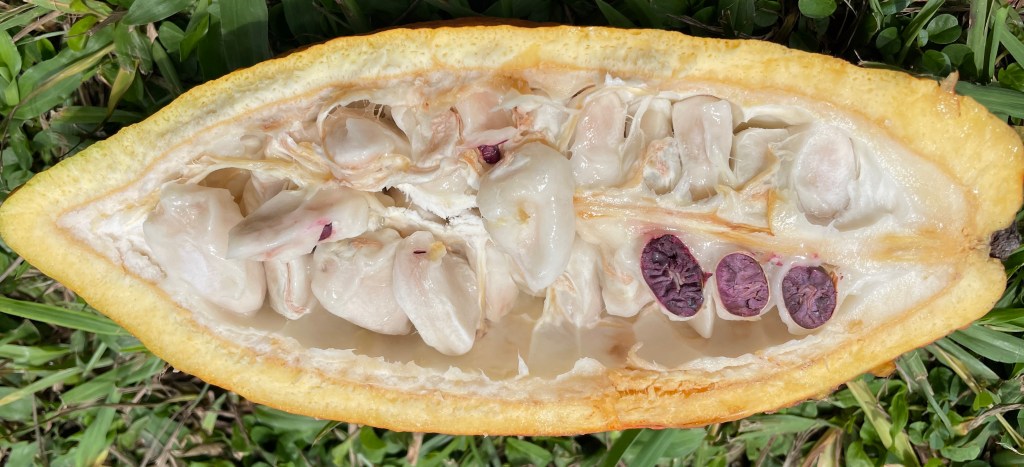
The oval seeds are about 2.5 cm long and are covered with a sweet sticky white pulp.
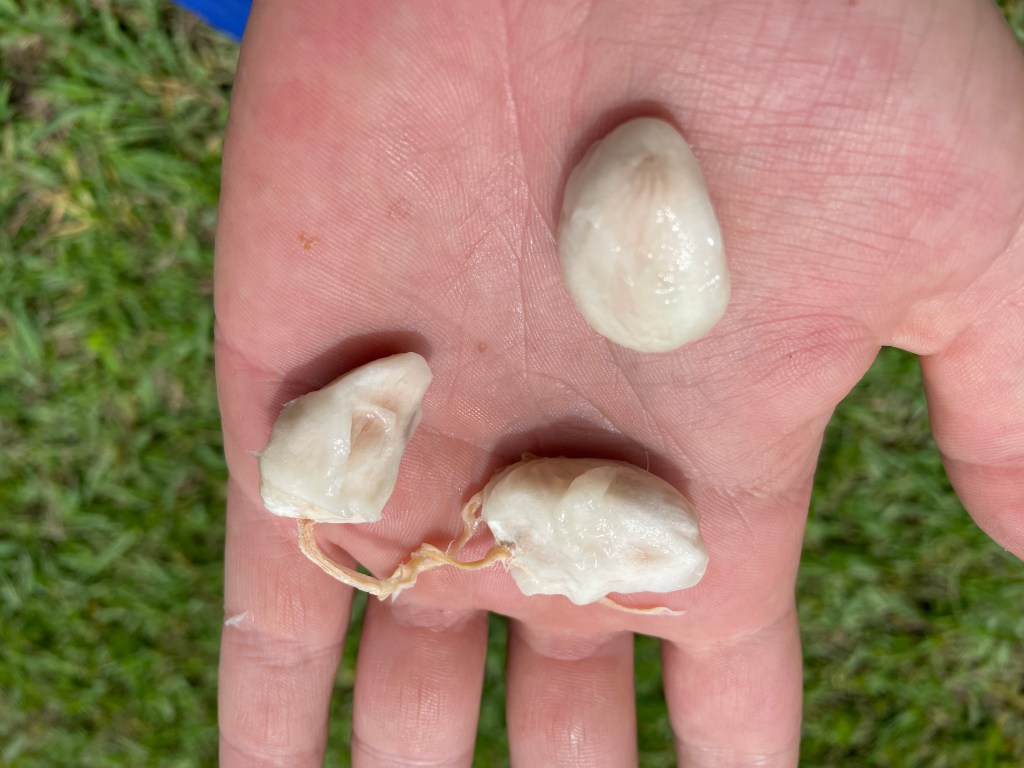
And they taste super duper good!
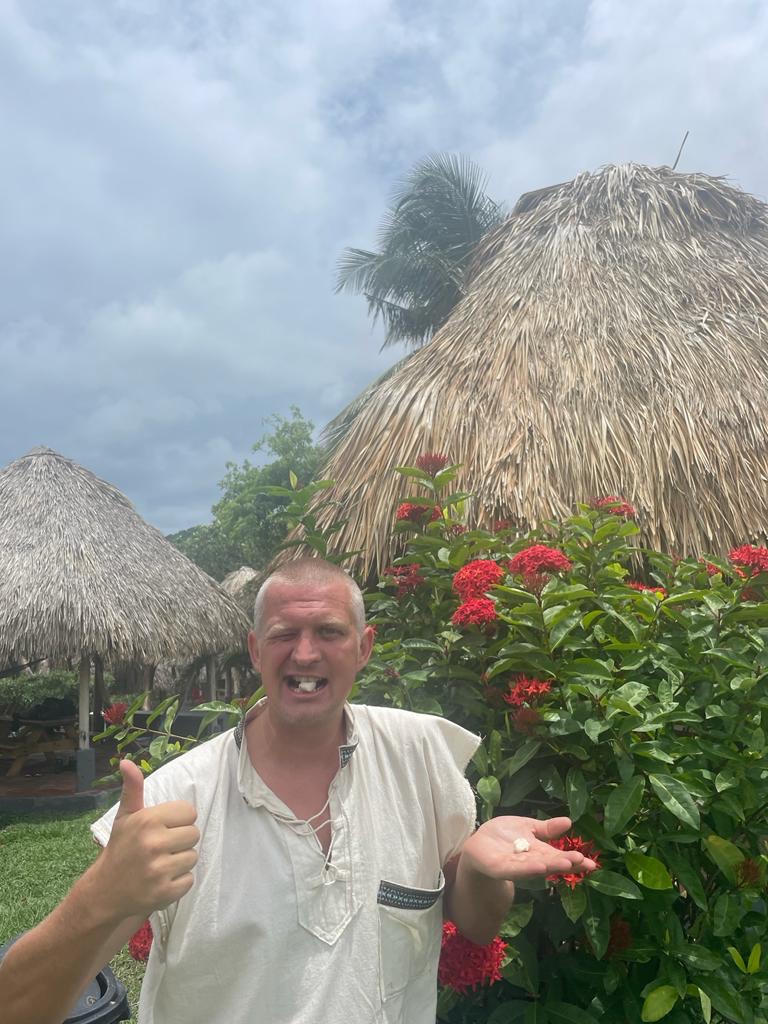
The pulp has a wonderful complex fruity flavor, sweet and tart, with hints of citrus. The closest “known” flavor would be mangosteen.
I tried all different colors , the purple is just not ripe enough and is just straight up bitter:
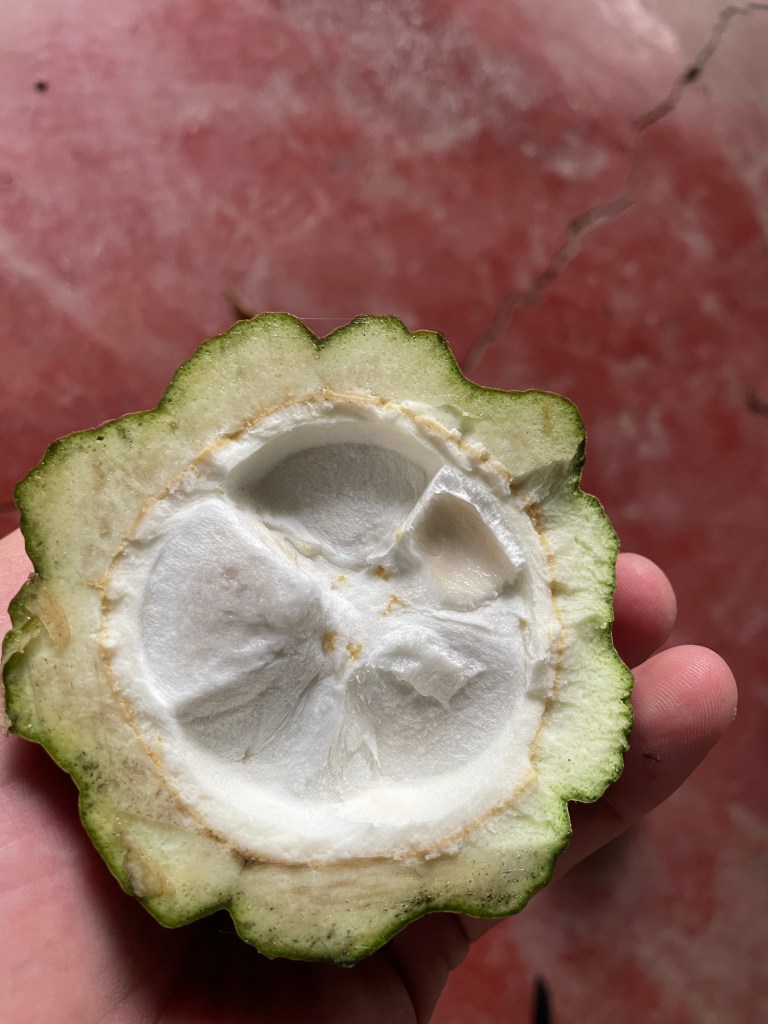
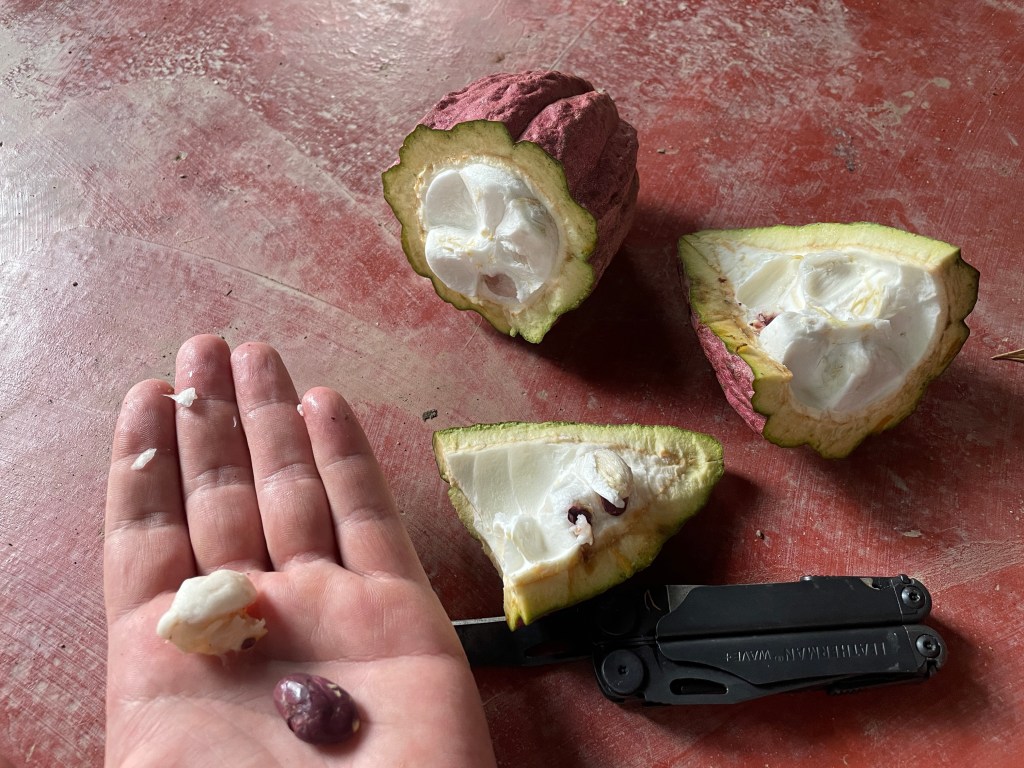
Yellow has the most citrusy flavor, very tasty indeed!
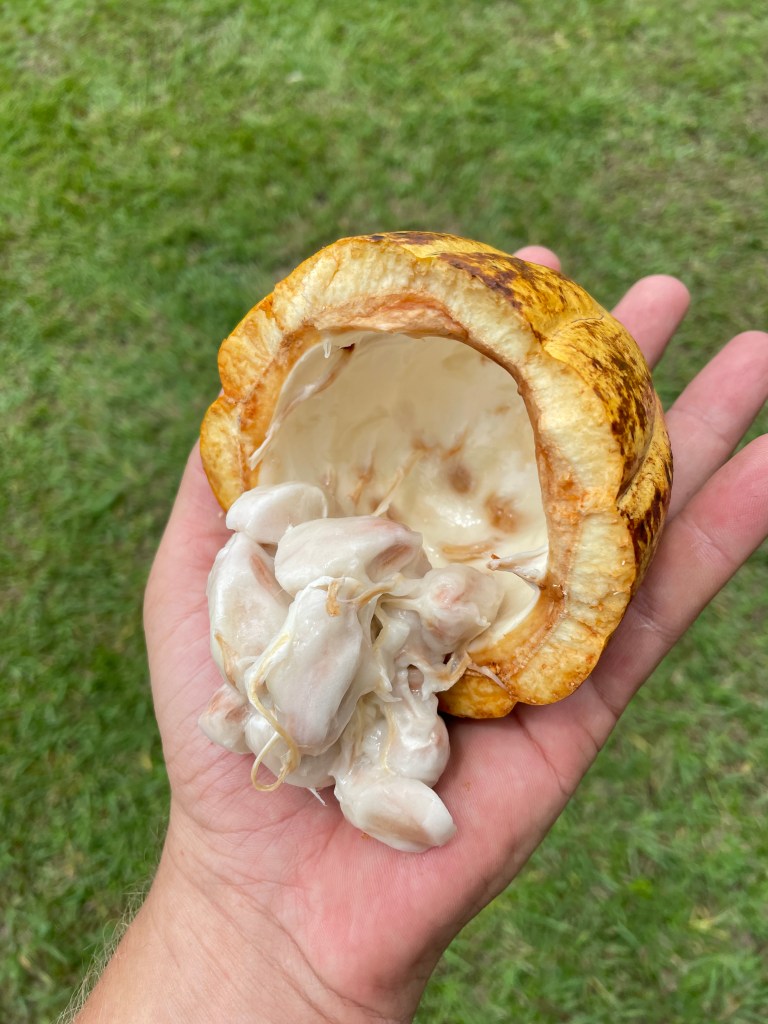
But the orange one was my favorite. Hints of mango and or pineapple, the right amount of citrus and it is extremely sweet.
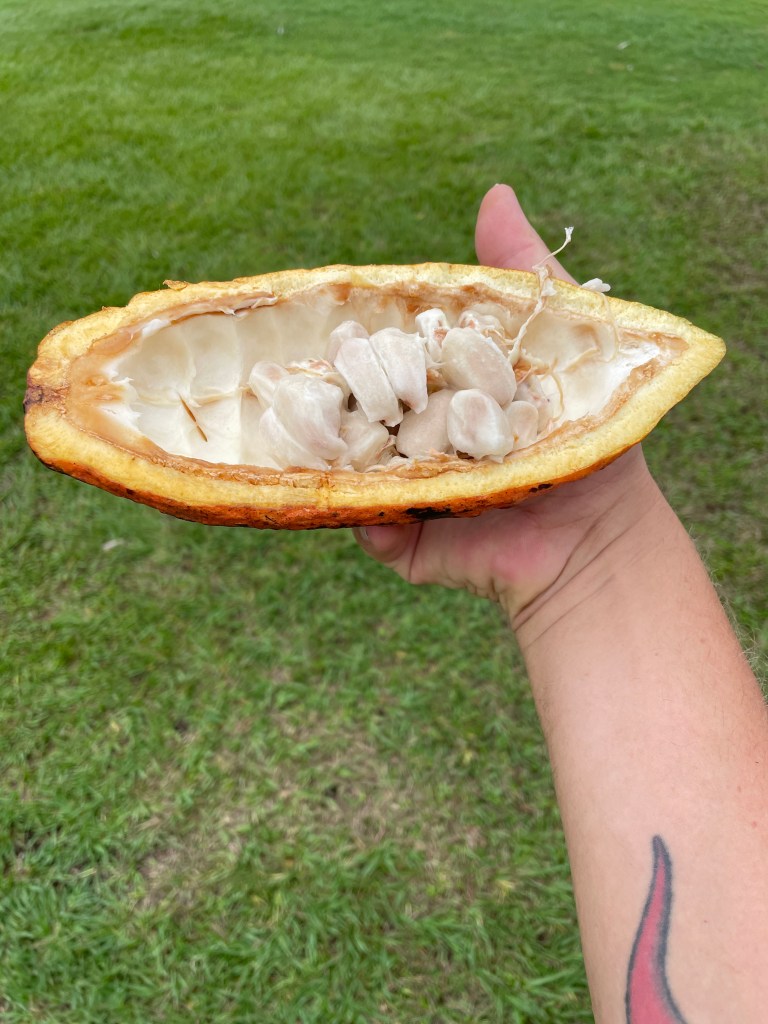
But it was hard to find an orange one, so my advice here, if you find an orange colored cocoa fruit, buy or steal it immediately!!
But back to our , apparently, very picky tree: Cacao thrives best at altitudes of 30 to 300 metres above sea level in areas where temperatures do not range much below 20 degrees or above 28 degrees and within the latitudes 20° north or south of the equator. Semuc Champey is at around 380 m above and there it was full of cacao but we saw trees much higher up in the mountains as well. So i guess it depends on the kind they grow. (Also, fucking everything grows here in abundance…)
Apparently rainfall requirements depend upon the frequency and distribution of rain and the degree of water retention by the soil.
The minimum necessary rainfall is about 100 cm evenly distributed throughout the year, but 150–200 cm is optimal. Successful cultivation also requires deep well-drained soil that is porous and rich in humus. Protection against strong winds is necessary because of the tree’s shallow root system.
(this is all based on my research, please correct me if i am wrong and i will change the wrong parts)
(( then again my research was quite thorough because i ,both, fear and hope the entire Most family will read this….))
(((also i wont state all the sources since this is not a scientific paper and the research is partly from talking to people, partly from the internet and partly from just sucking on tons of cocoa pulps)))
Because of the hazards of disease and pests, most of the world’s cacao is grown on small labour-intensive farms of less than two hectares (five acres) instead of large plantations through which these hazards can rapidly spread.
However, even with the protection of their small isolated farms, cacao growers frequently experience losses ranging from 30 to 100 percent of their crops, usually to disease.
The plantations Fabi and i saw on Sumba were much, much bigger than two hectares though. Unfortunately i dont have the old pics on my phone but at some point i will search for them and insert them here. Sumba was a true Cacao paradise!
In cultivating cacao plants are first grown from seeds or cuttings and then transplanted. Other tree crops such as bananas or palms are often planted with the cacao to provide shade and wind protection for the young trees. (also that we did not see on Sumba)
Commercial cocoa bean crop yields may vary from under 100 to over 3,000 kg per hectare, with the world average being between 340 and 450 kg per hectare.
The biggest problem when growing cacao is the diseases. I wont go into all the different kinds (apart from witches broom, just for the name) but apparently there is tons of different diseases that you constantly have to be aware of. The most commonly destructive diseases of the cacao tree are pod rots. A pod rot is usually a fungus that spreads rapidly on the pods under conditions of excessive rain and humidity, insufficient sunshine, and temperatures below 21. Control requires timely treatment with fungicides and constant removal of infected pods.
These are the the fruits i got gifted back at La Terminal:
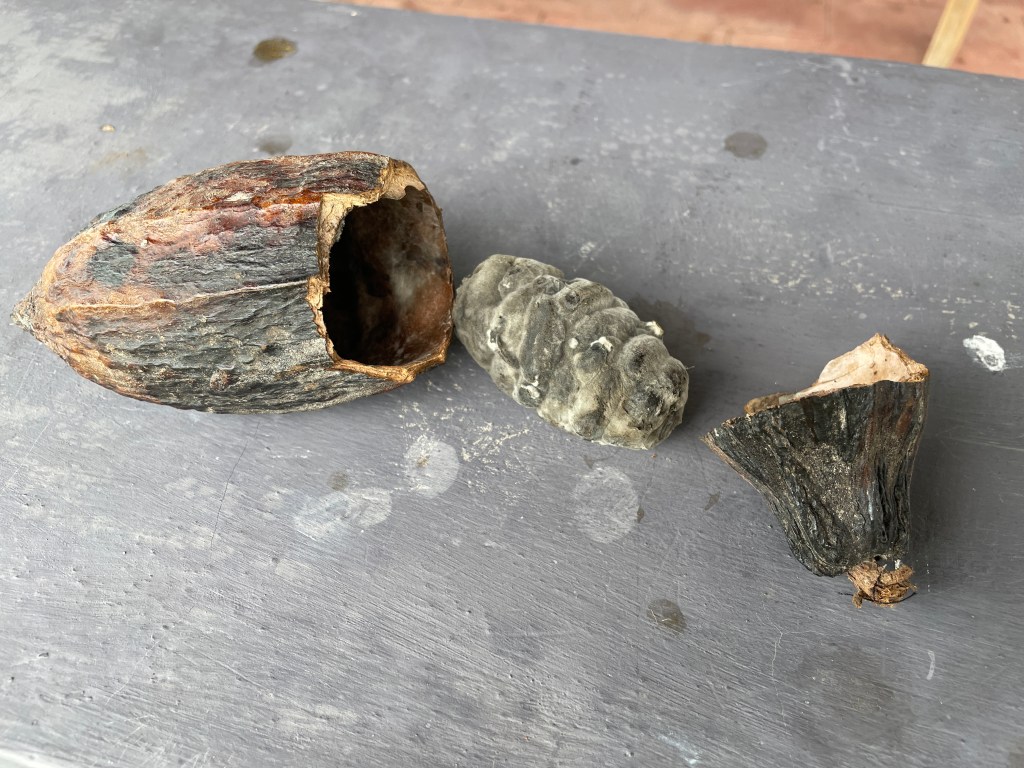
After having cracked the first i did not bother opening the second one. First one already smelled bad enough.
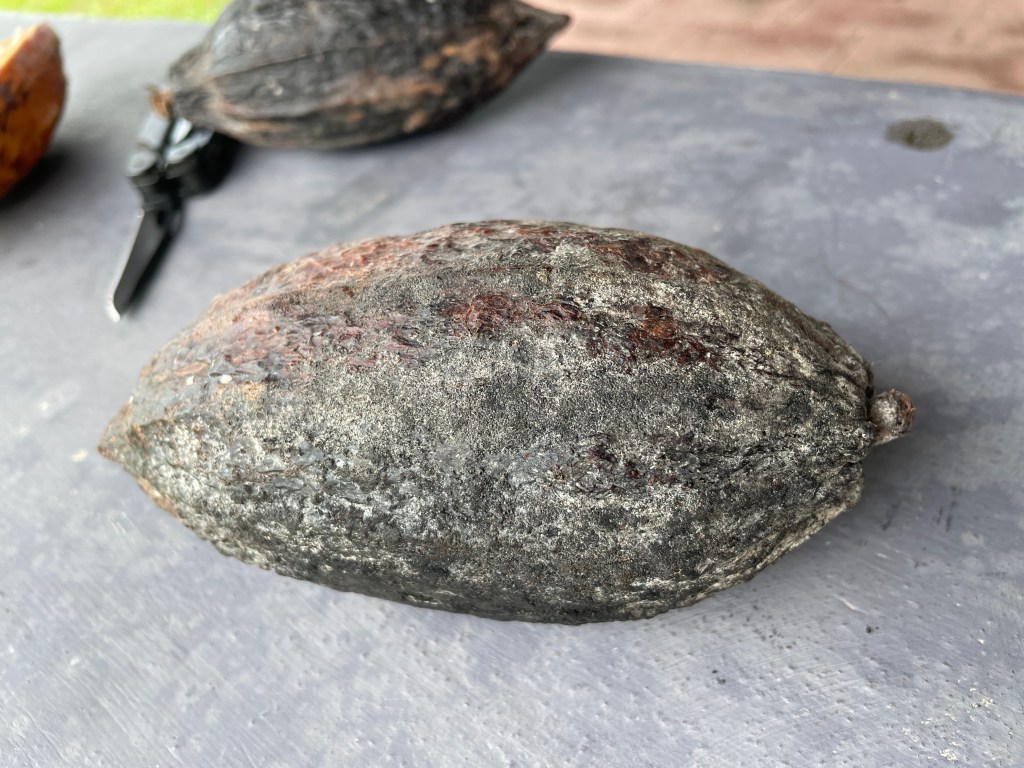
There are several types or varieties of cocoa, usually classed in three main groups: Forastero, Trinitario and Criollo. Trinitario is considered to be derived from hybrids between various Forastero and Criollo varieties. The flavour potential of cocoa is determined genetically and depends mainly on the variety. Forastero types are bulk cocoas used for milk chocolates and for cocoa butter and powder production. Criollo and Trinitario are fine cocoas, they are used for speciality dark chocolates because of their particular flavour or colour characteristics.
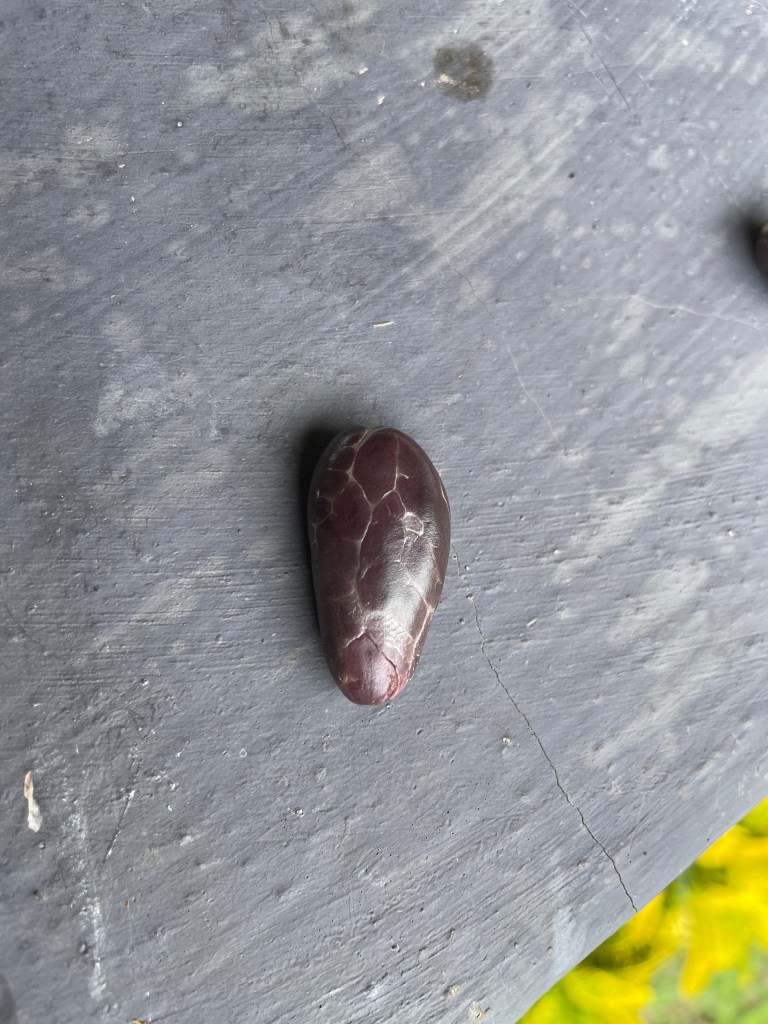
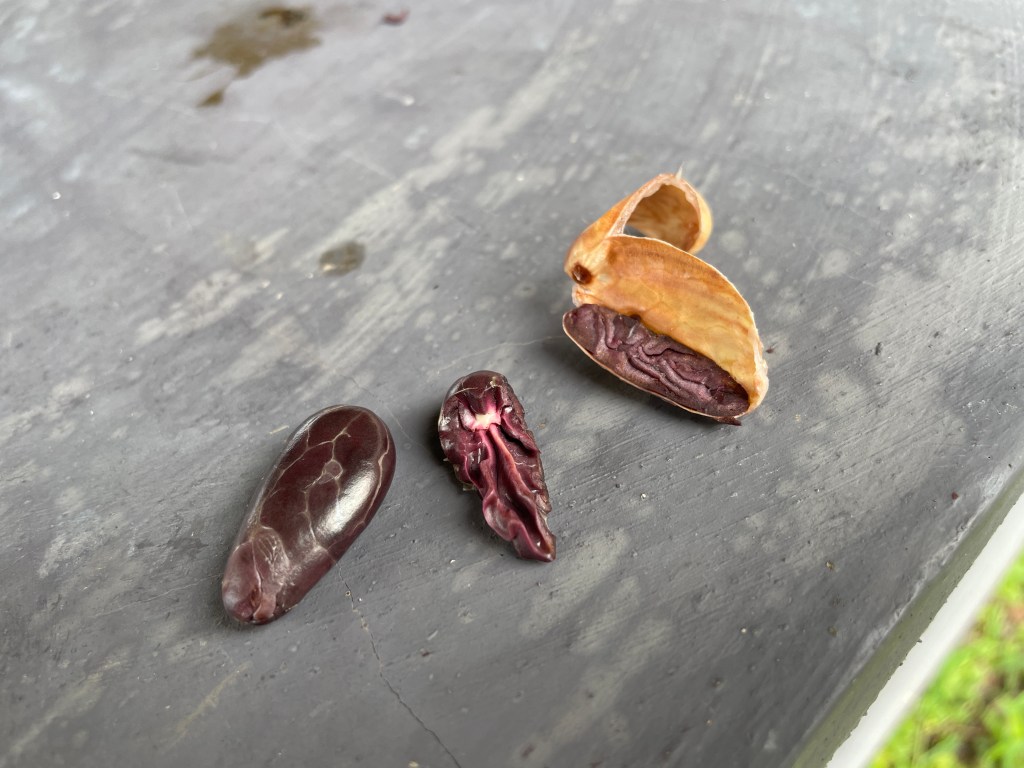
Which finally brings us to our beloved bean:
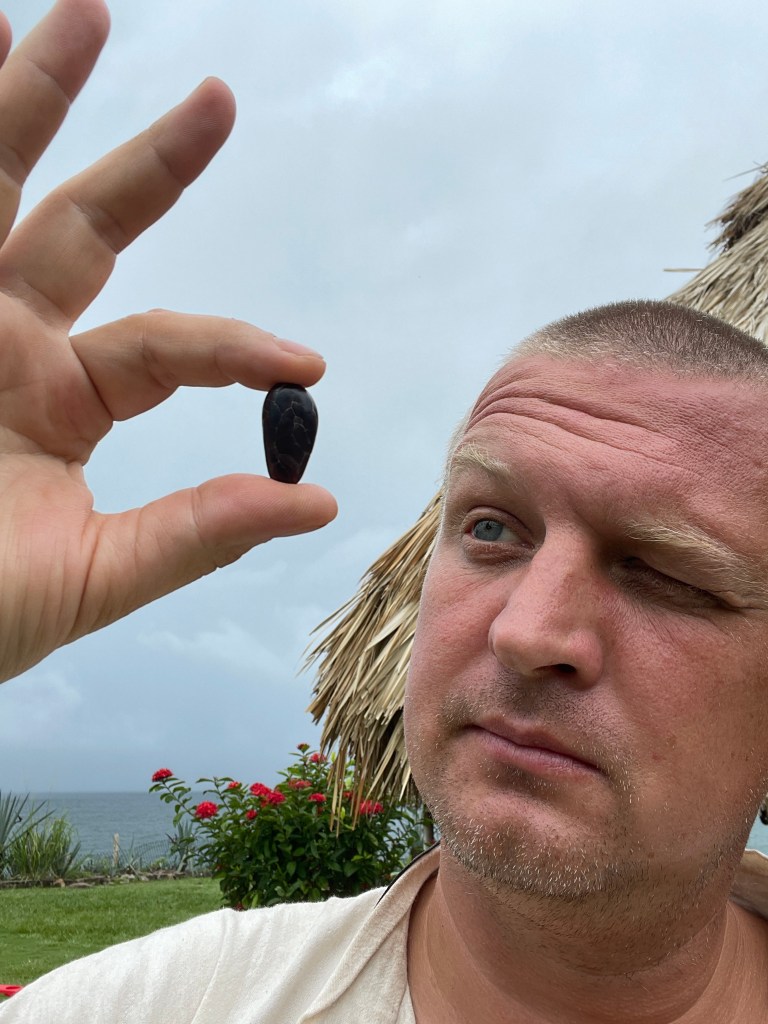
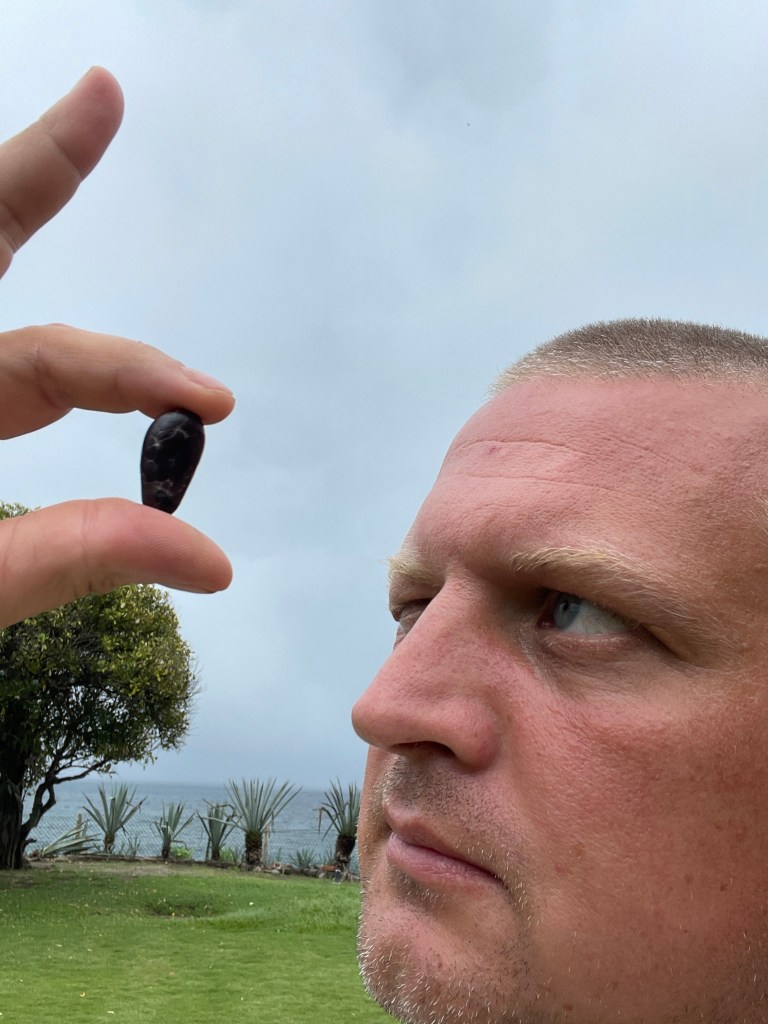
I could not decide which one to post , so here is both…
Theobroma cacao was first cultivated in 250–900 AD by the ancient civilizations of the Mayas and Aztecs in the Mesoamerican region. Cocoa had many uses, ranging from medicine to currency and more than 100 medicinal uses of cocoa have been documented by now.
The drinks made by the Mayas and Aztecs were reserved for the emperor and aristocracy . After destroying the Aztec empire, the colonizing Spanish began to experiment with cocoa: mole poblano, a rich chili-cocoa sauce, is probably an early example of this. When cocoa reached Europe, it was the Italians who led the way, using the new spice in savoury dishes and creating some of the earliest chocolate sweets.
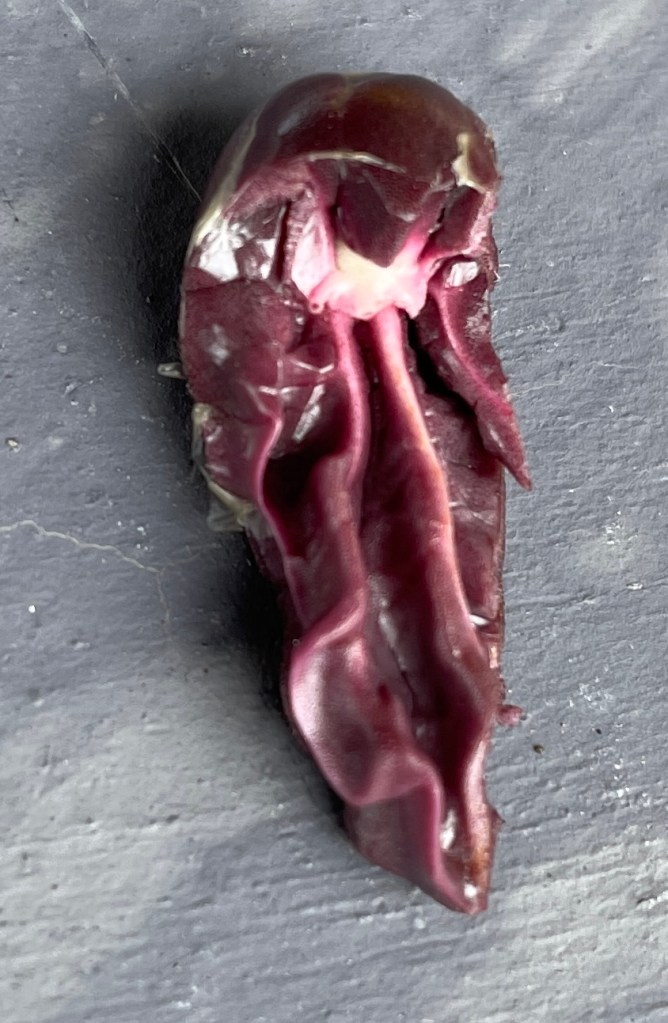
I can tell you one thing it is darn hard to get the seed out of the pulp.
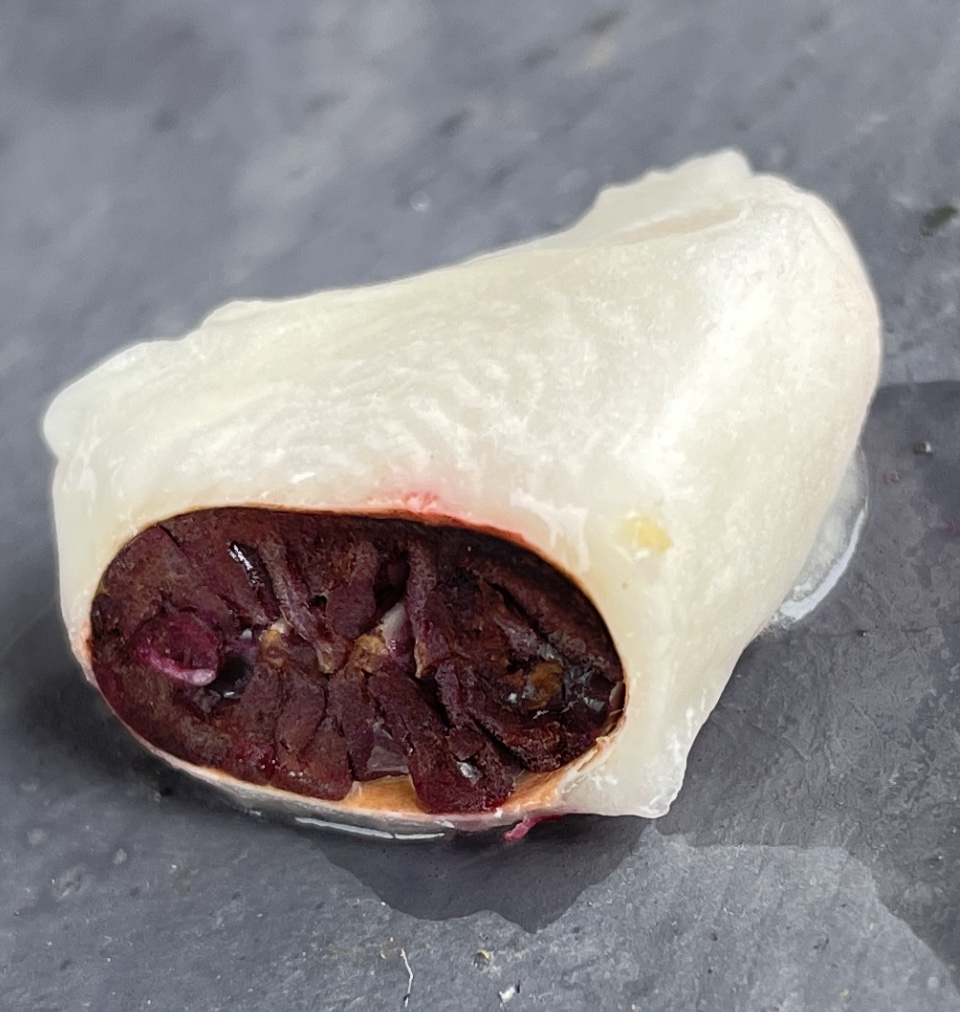
It is protected by a kind of thick “skin” which wraps the bean tightly.
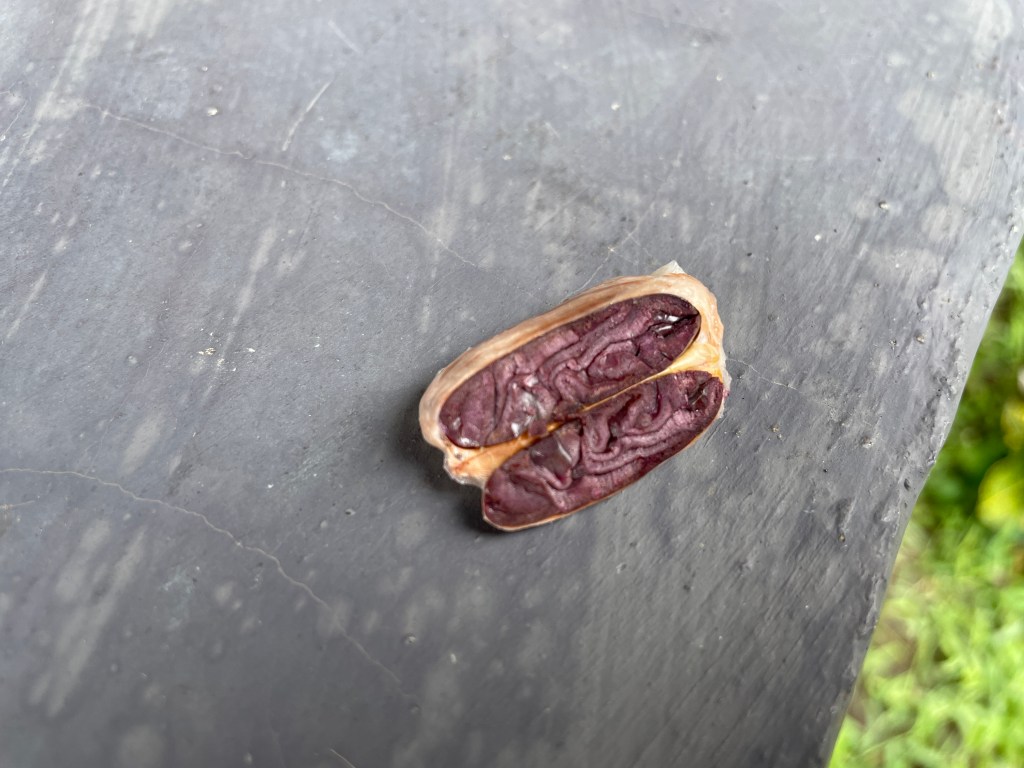
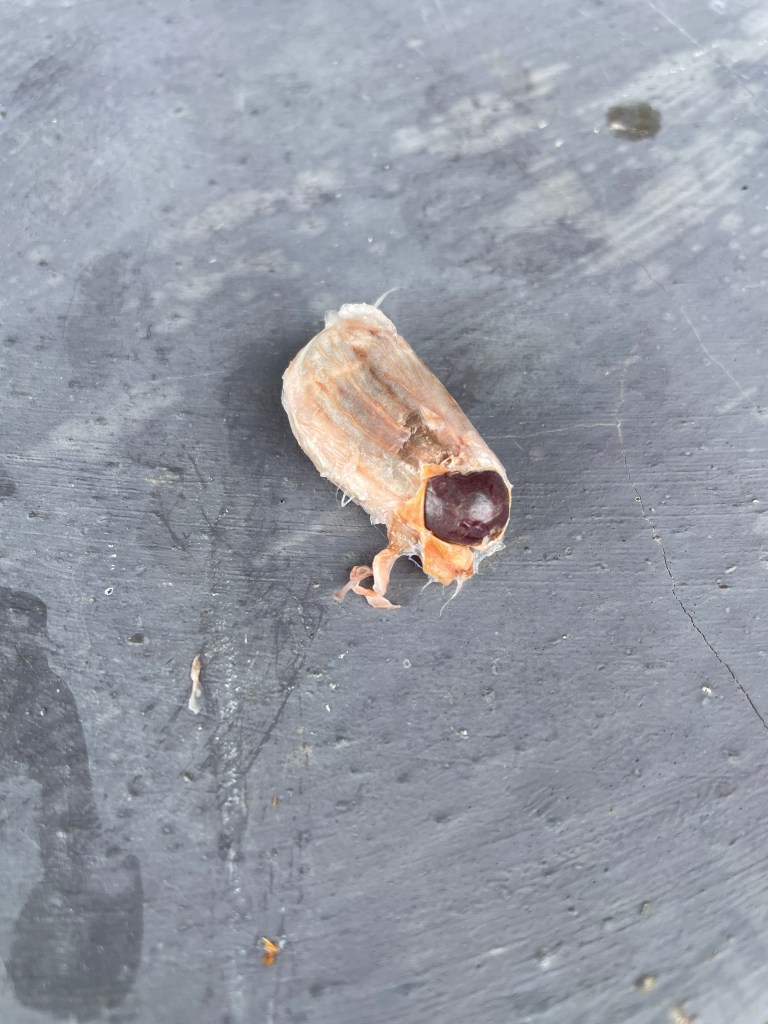
I tried different techniques but in the end sucking the pulp of for 5-10 minutes and then very very carefully carving the “skin” before peeling it off ,worked best for me. And voilà:
I wont get into how to make chocolate because firstly , thats an entire new chapter and secondly the Most Clan can tell you much more about that.
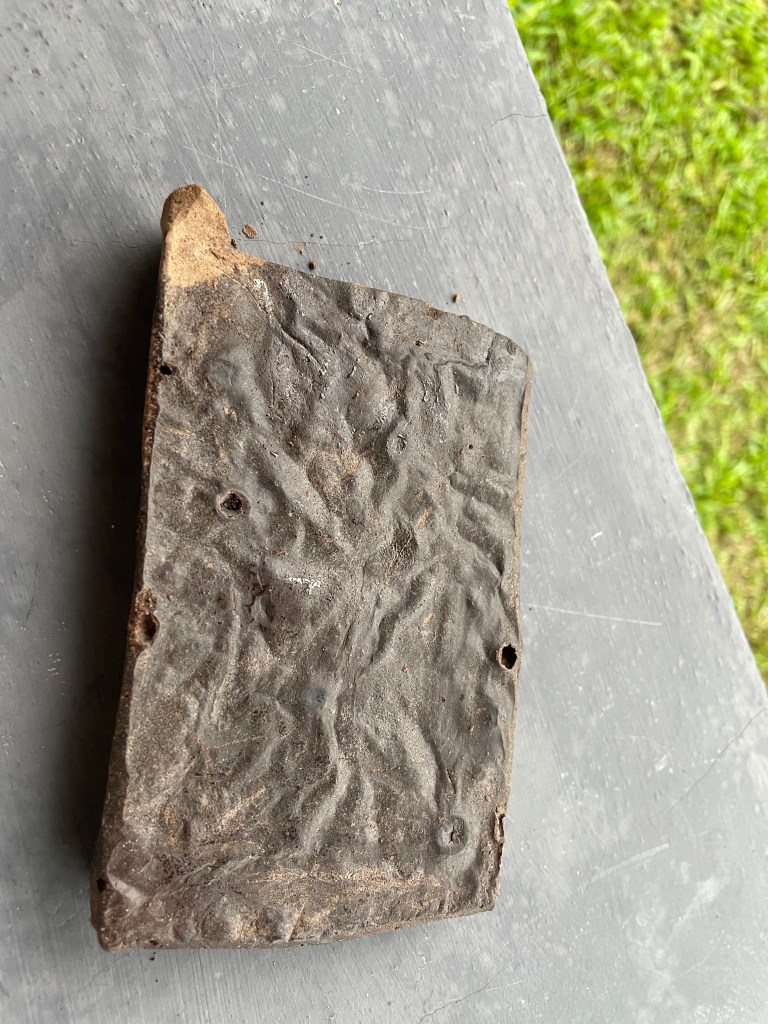
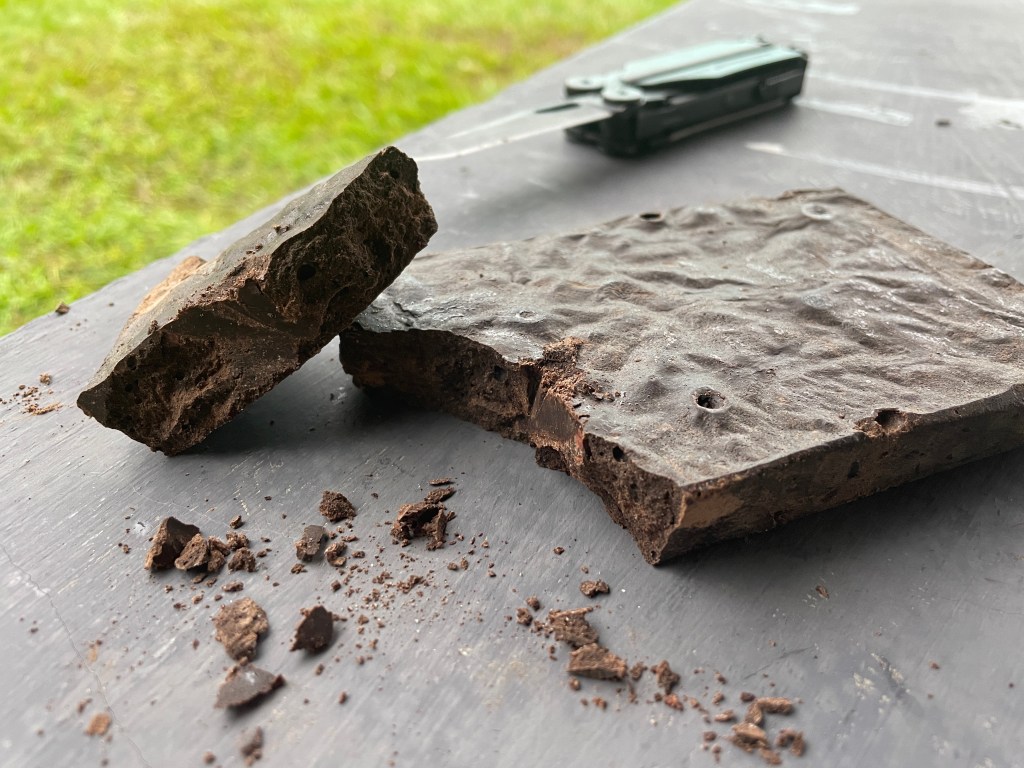
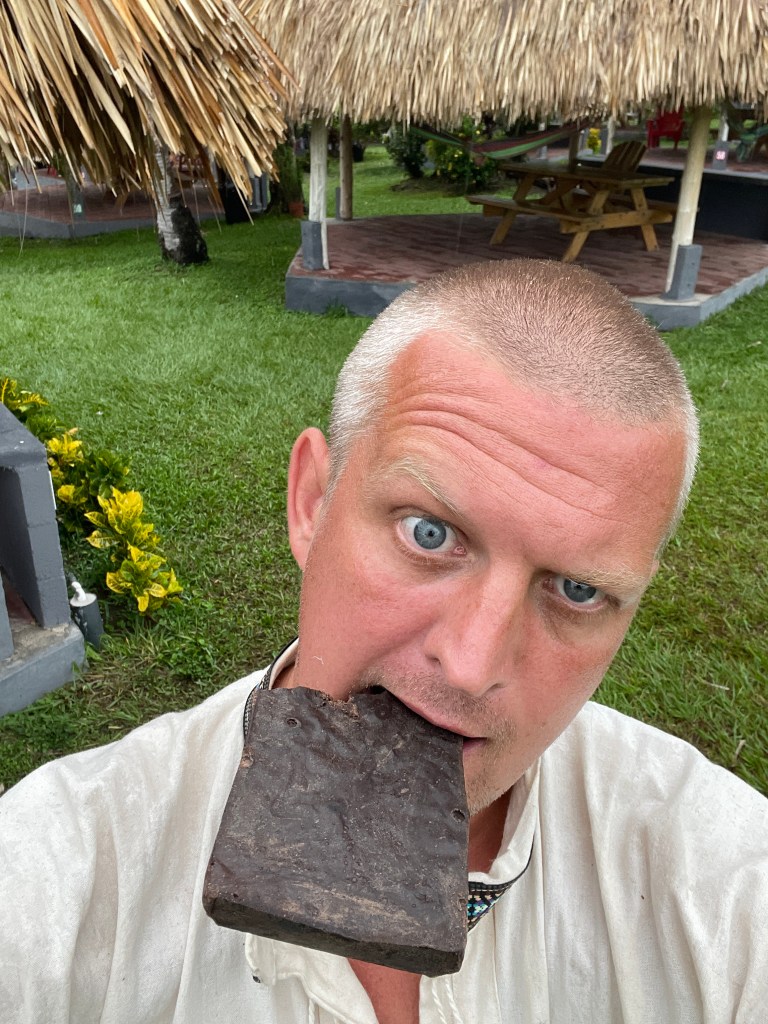
But i will show you the final product which we purchased from the Q’eqchi’ Mayans close to Semuc Champey. It is made with unroasted beans and sugar cane. There is 3 different types they like. One infused with cardamom, one with cinnamon and just a plain one. The texture is brittle and not creamy at all. But it is the best tasting chocolate i have ever had. Especially the cardamon one, which is weird since i dont usually like the intense cardamon tase.
Unfortunately , the chocolate tastes so good that we will not be bringing any home with us. But that may yet be another reason to come back in the future!
I know without asking that Fabi is already onboard (i mean a Mayan pilgrimage site on the bottom of Lake Atitlán…) but i am also thinking of the coming Most twins that surely will be in dire need of some food of the gods!
♥️


Leave a comment