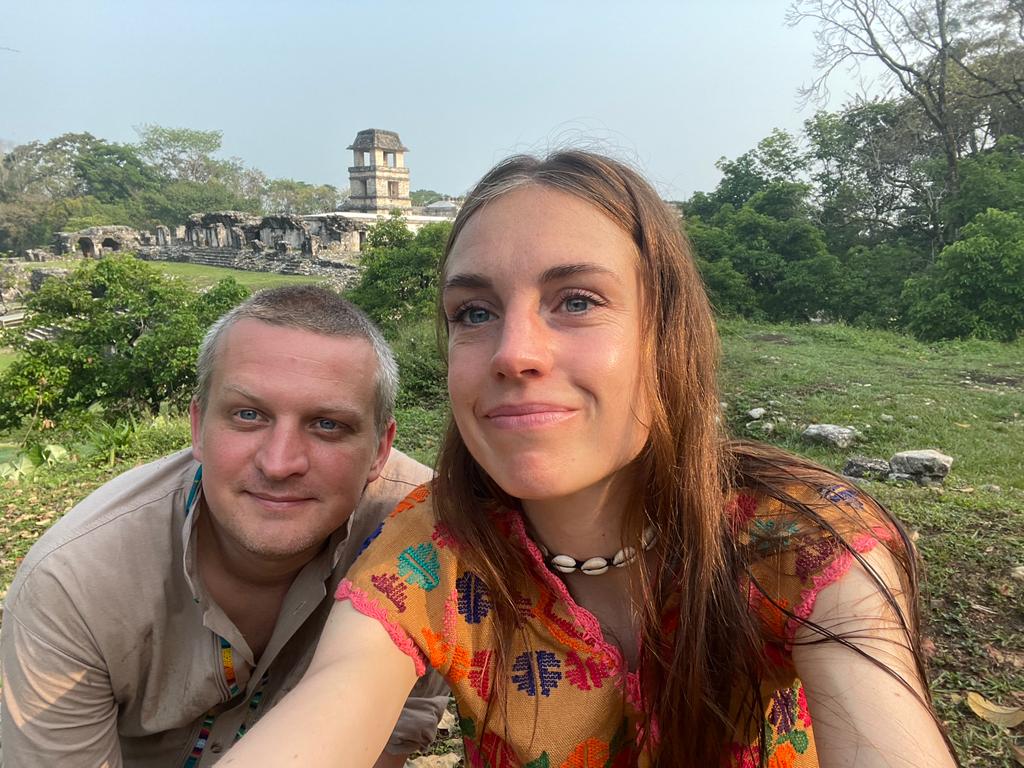
We googled the night before that there is another amazing desert just a quick 10 hour drive away, so we got up early. Quick breakfast
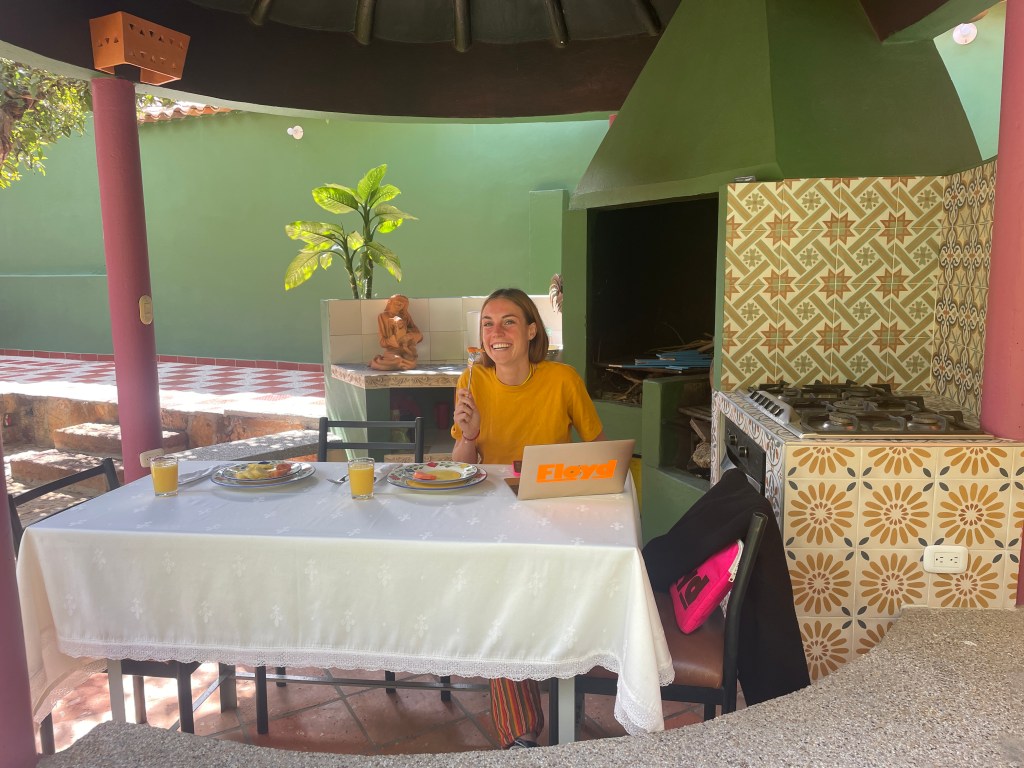
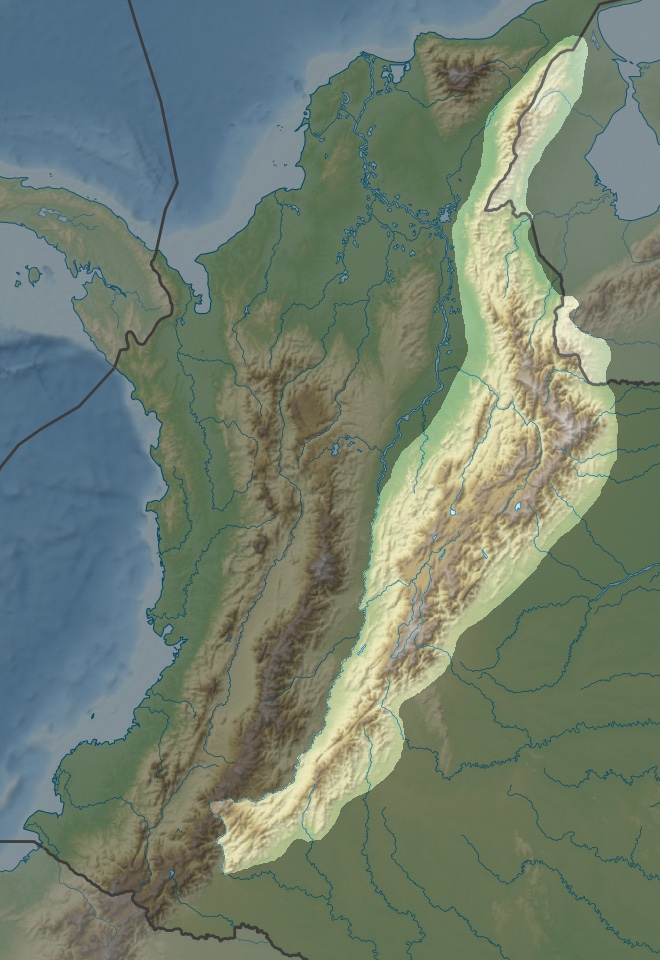
and off to a super beautiful drive along the west side of Cordillera Oriental, the widest of the three Cordilleras of the Colombian Andes.
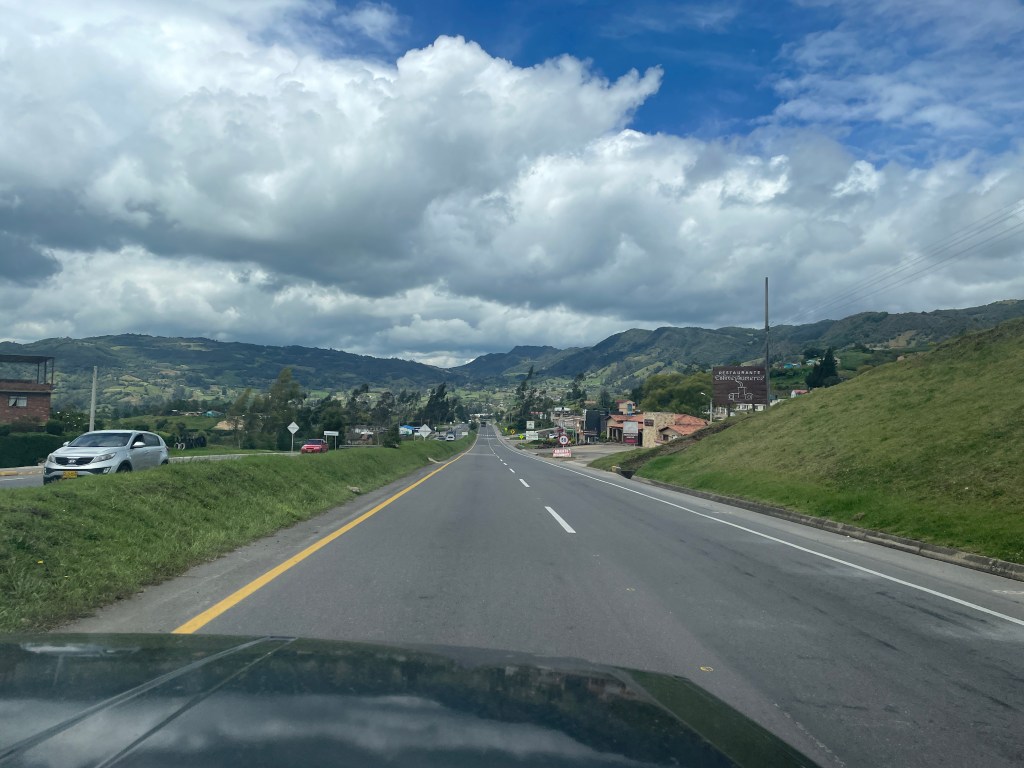
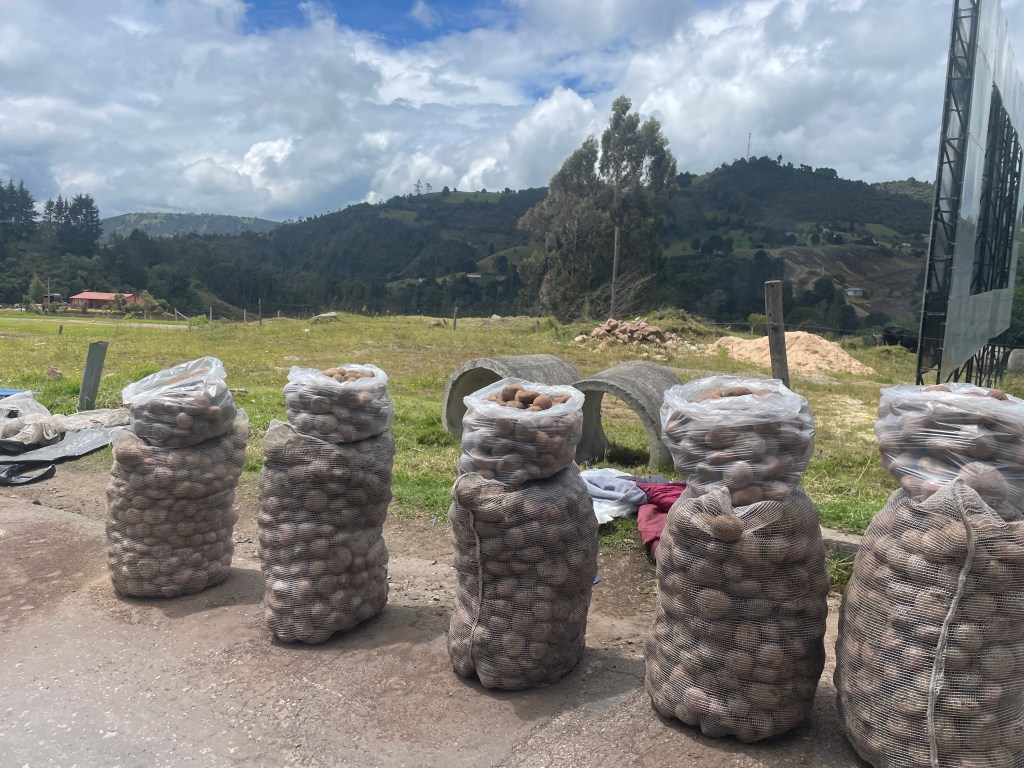
with your usual up and downs.
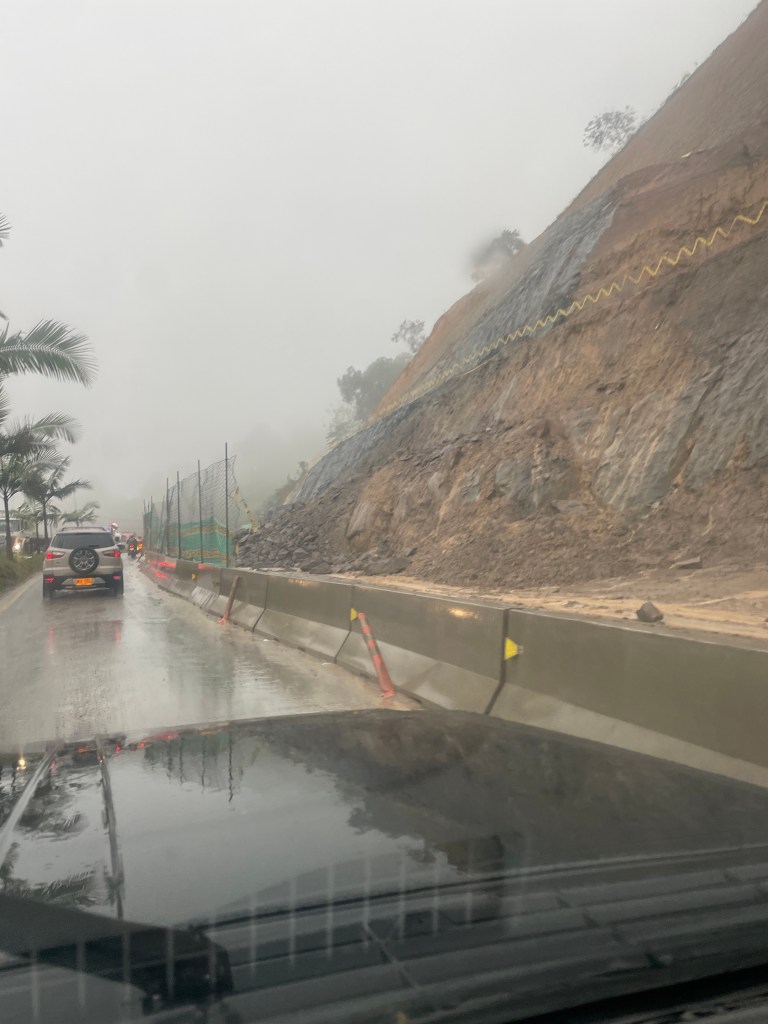
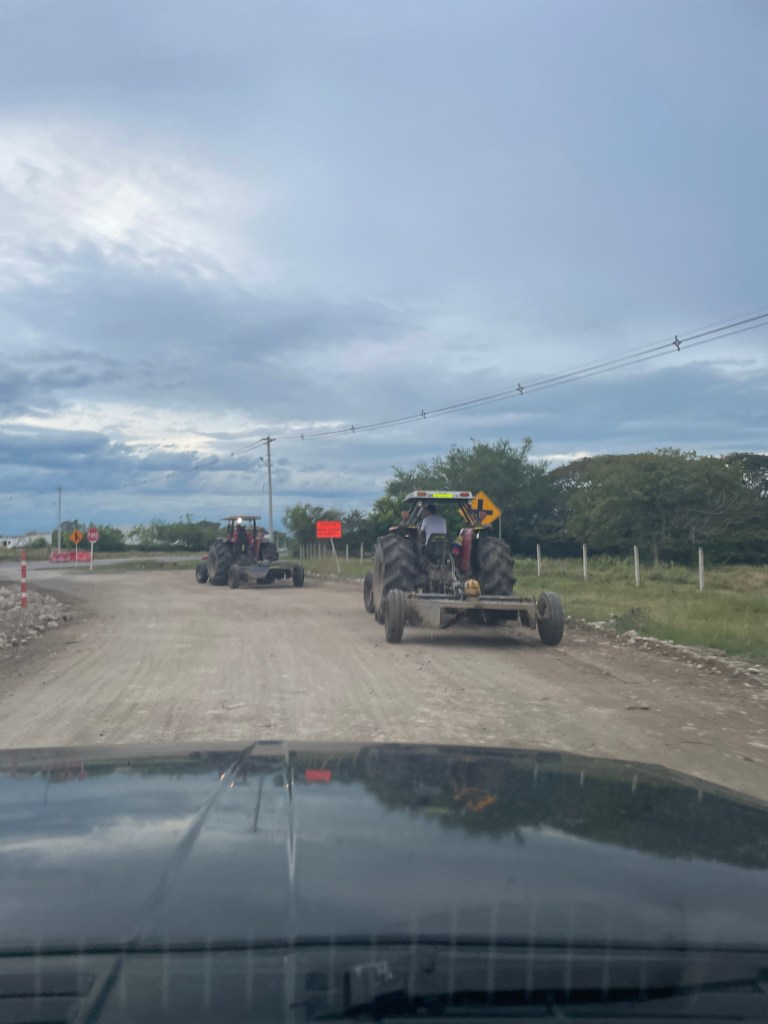
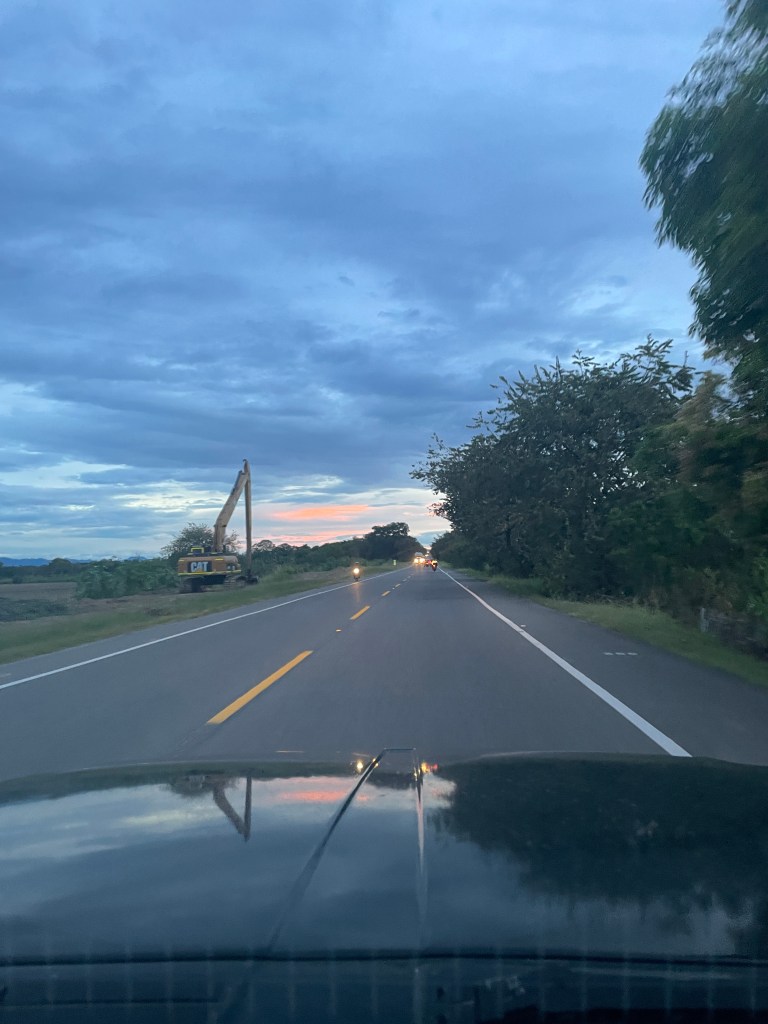
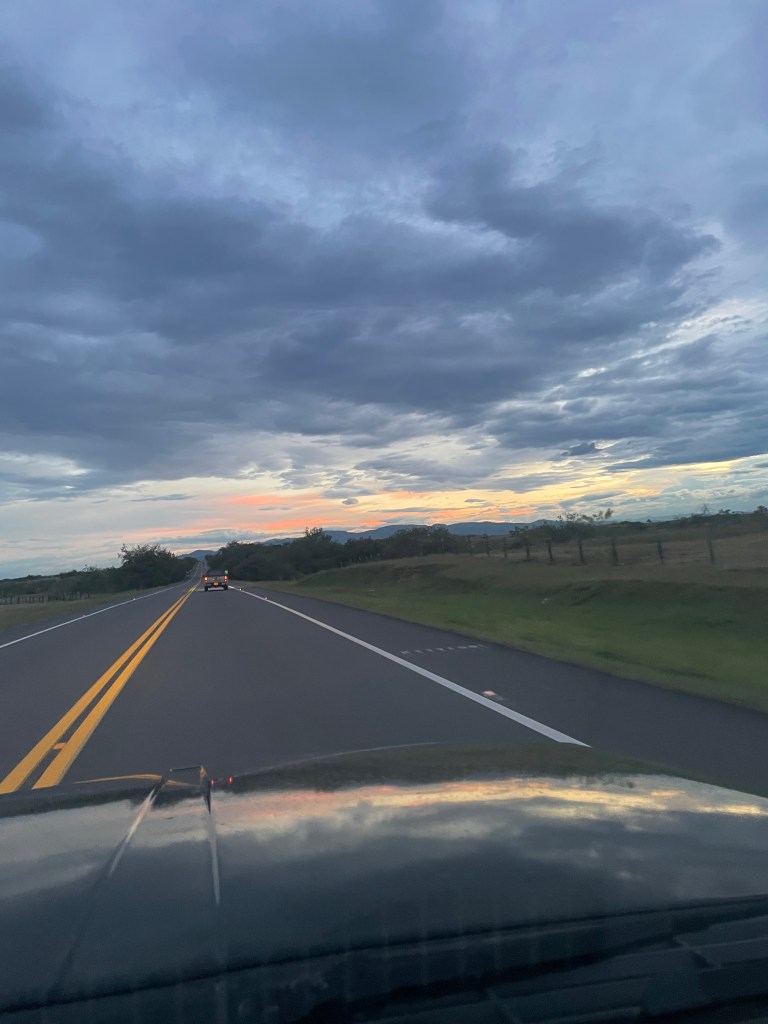
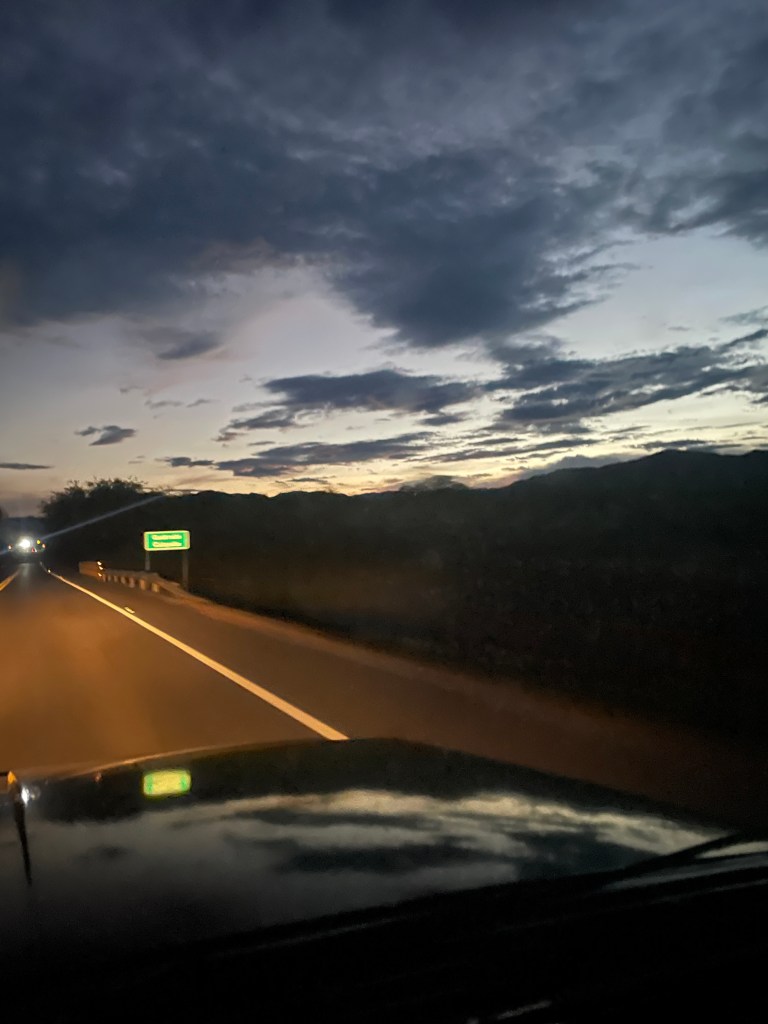
After many building sides , heavy rains, super bad roads, tunnels,sketchy bridges, a couple of episodes of „ Drei Fragezeichen“ and and episode of Joe Rogan with Mark Zuckerberg, we finally arrived in Villavieja. Took us around 11 hours.
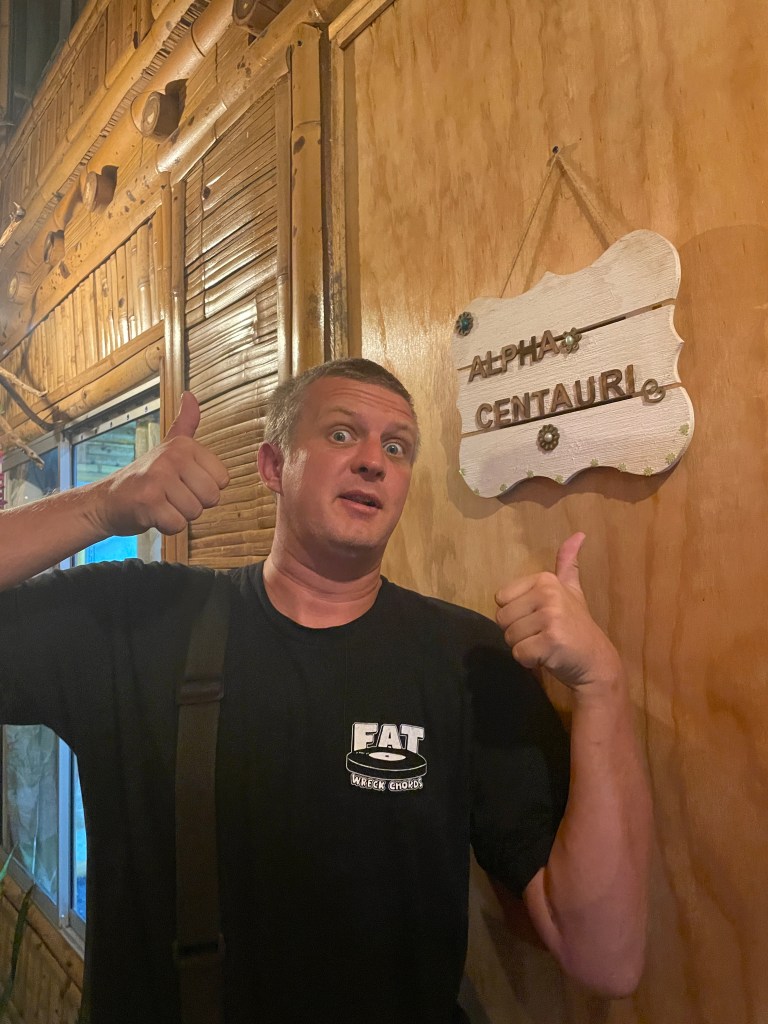
I was super excited about the name of our weird wanna be eco hostal room. Only a few will understand.. Shout outs to the mighty Lesch !
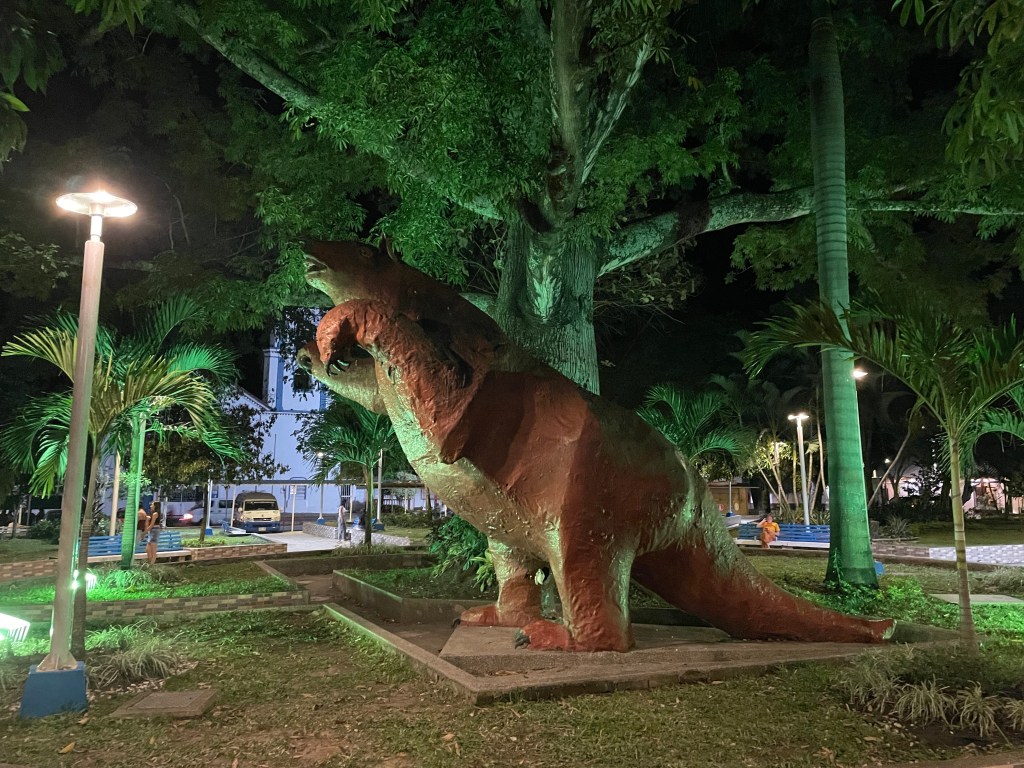
Quick walkabout in this absurd but fun little village.
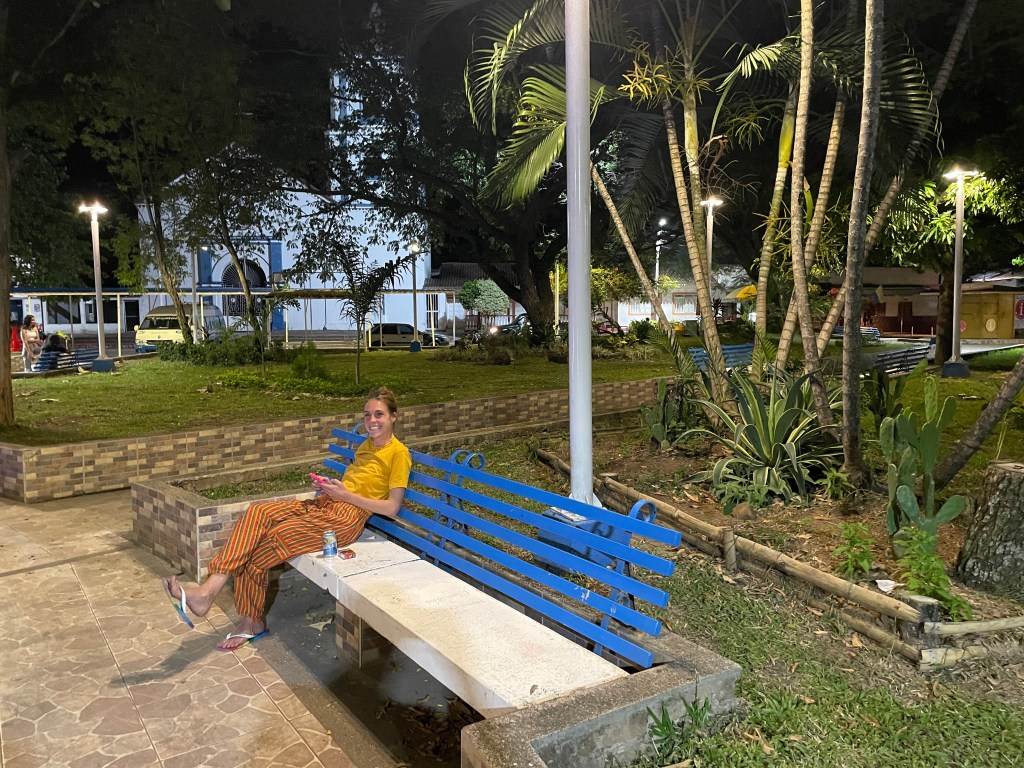
Beer and crisps for dinner. Early night.Tatacoa to explore tomorrow.
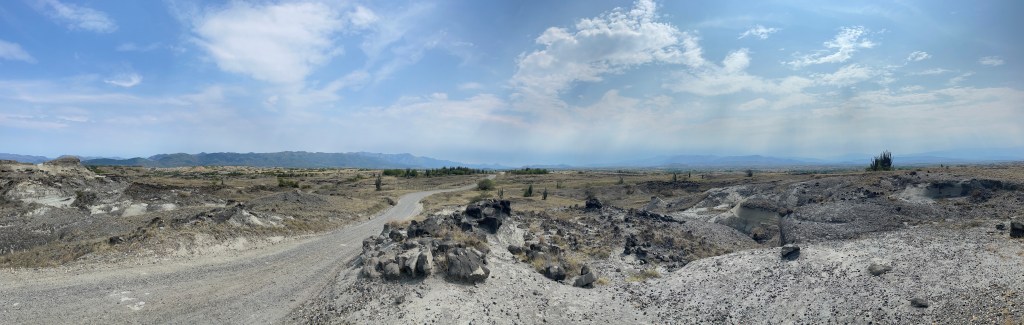
The Tatacoa, or the Valley of Sorrows, as it was called in 1538 by the conquistador Gonzalo Jiménez de Quesada, (i wrote Quesadilla trice… ), is not actually a desert, but a tropical dry forest. The name “Tatacoa” refers to its rattlesnakes. During the Tertiary period it was wetter, with thousands of flowers and trees, but has been gradually drying up to become an arid zone.
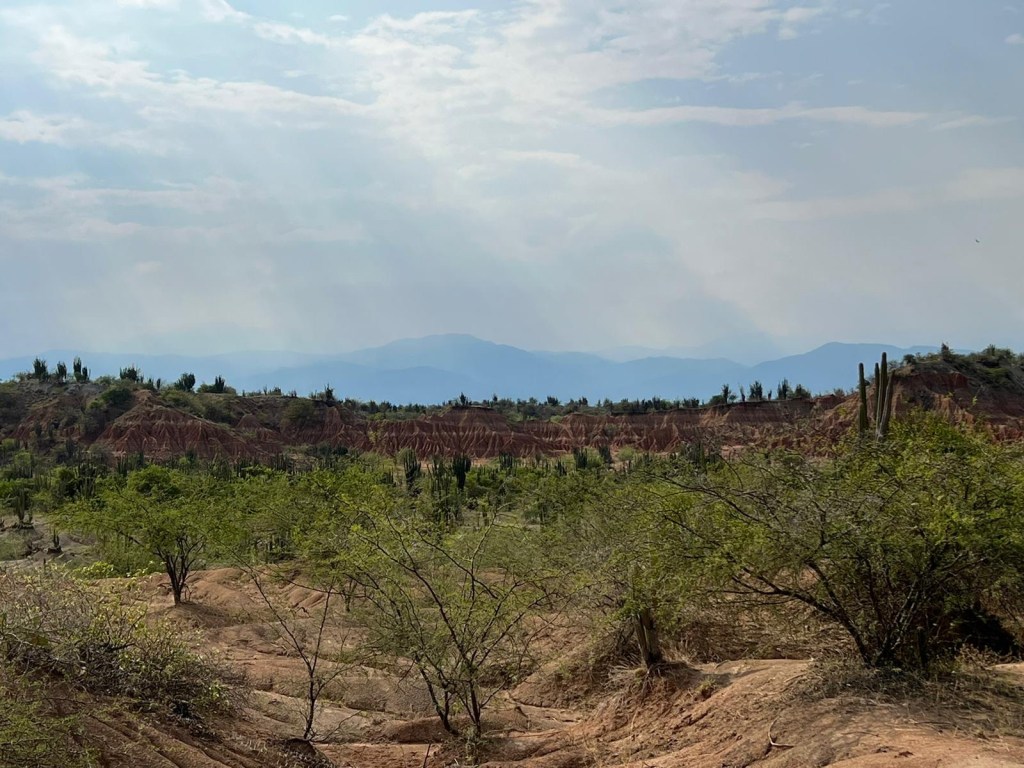

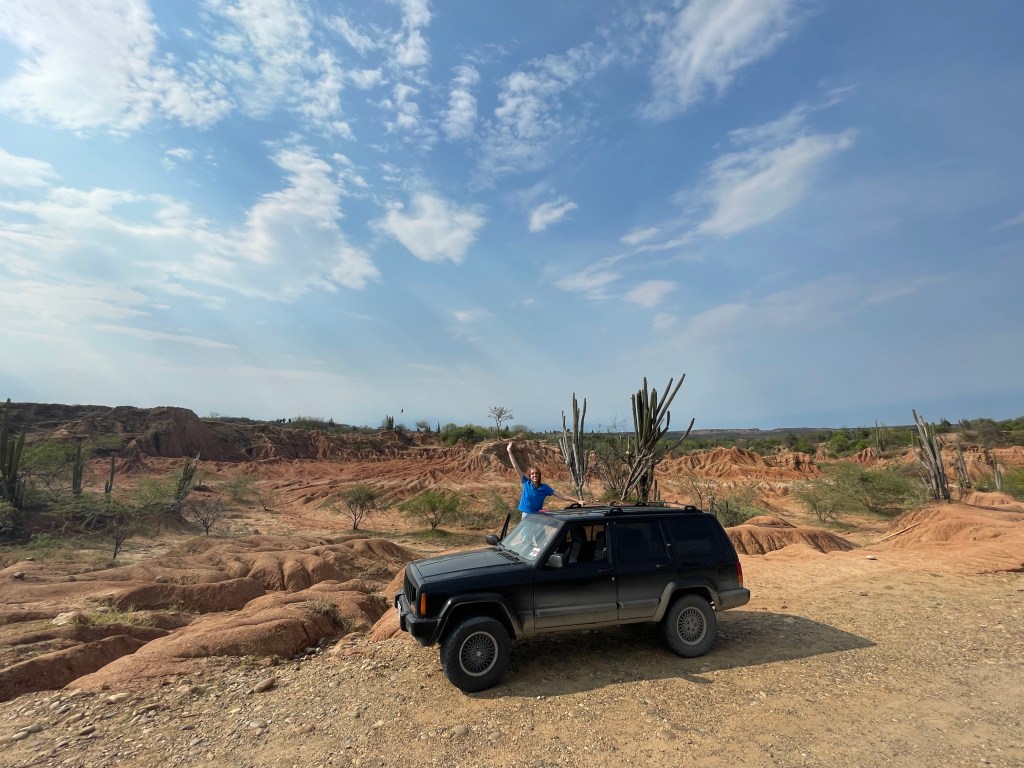
Trying to avoid the masses we got up really early.
We loved the white horse looking for breakfast.
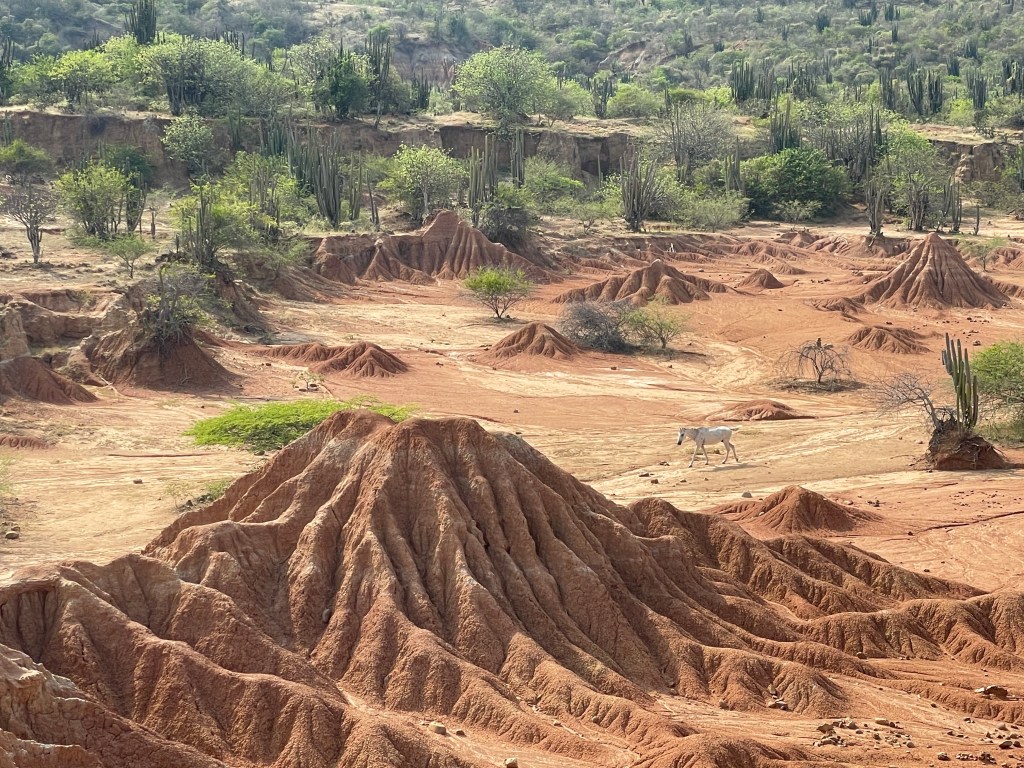
The area is heavily eroded and crossed by dry canyons that develop transiently in the winter months. These shapes are created on clay surfaces, creating labyrinthine gullies in the landscape that can reach 20 meters deep.
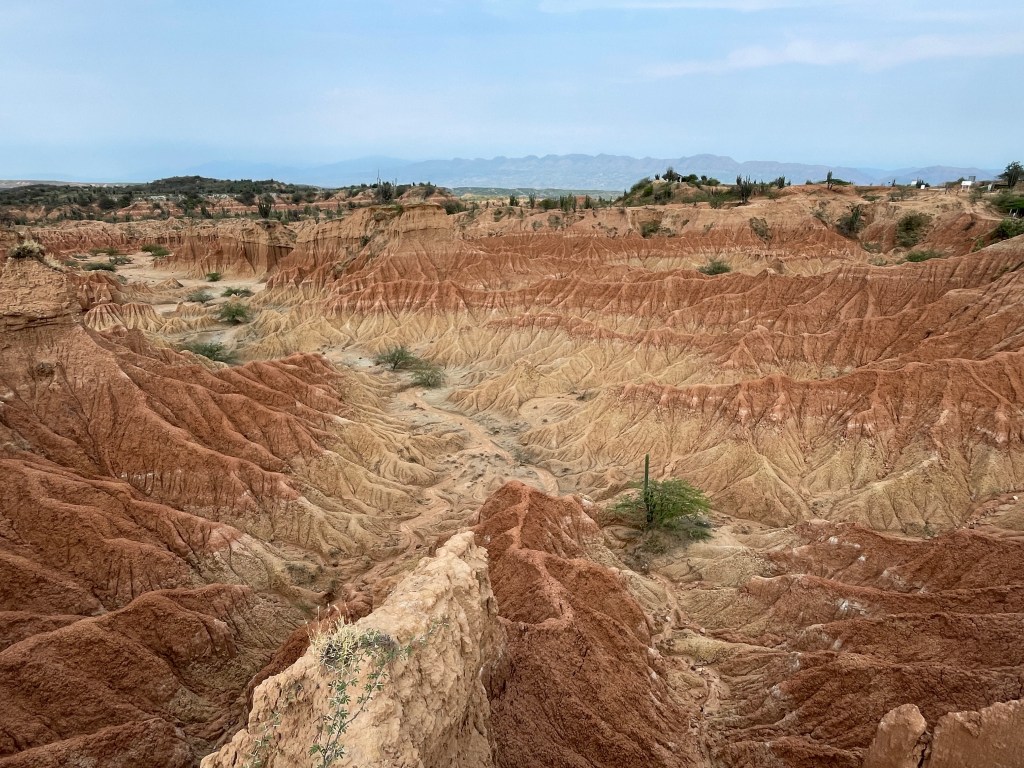
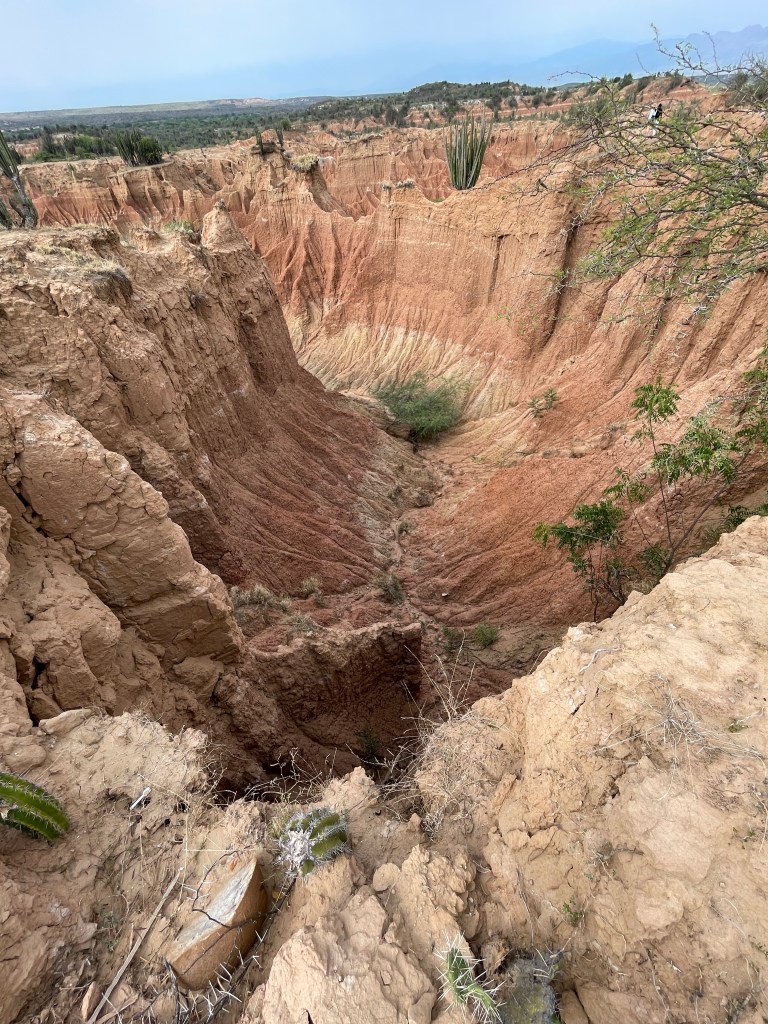
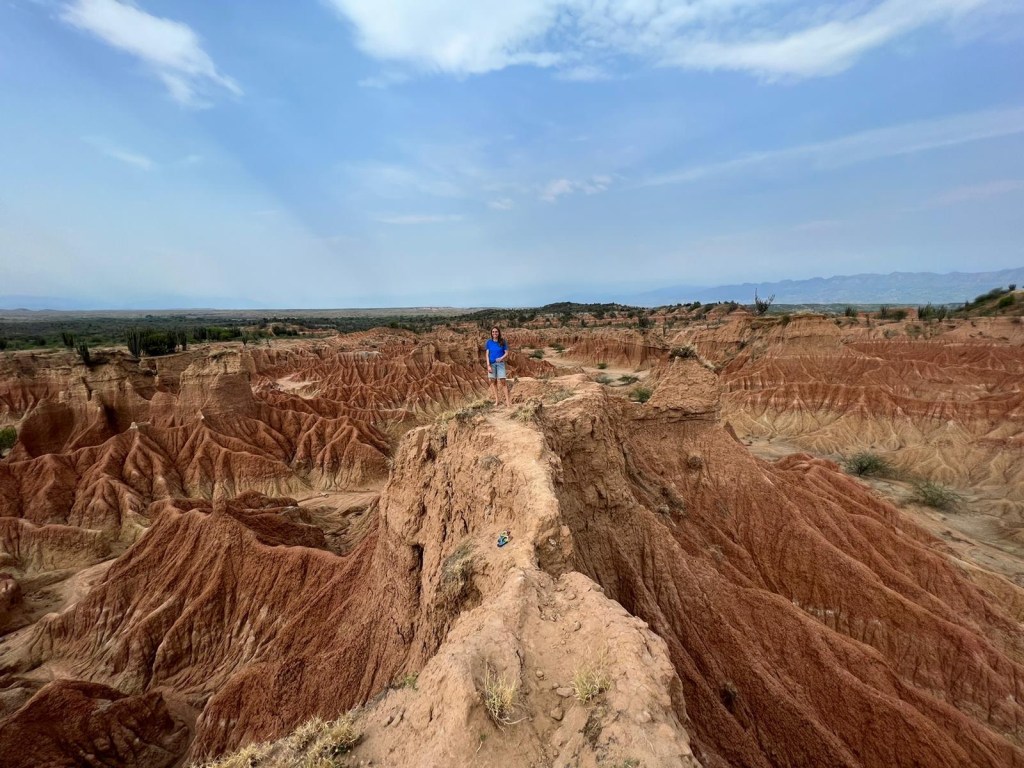
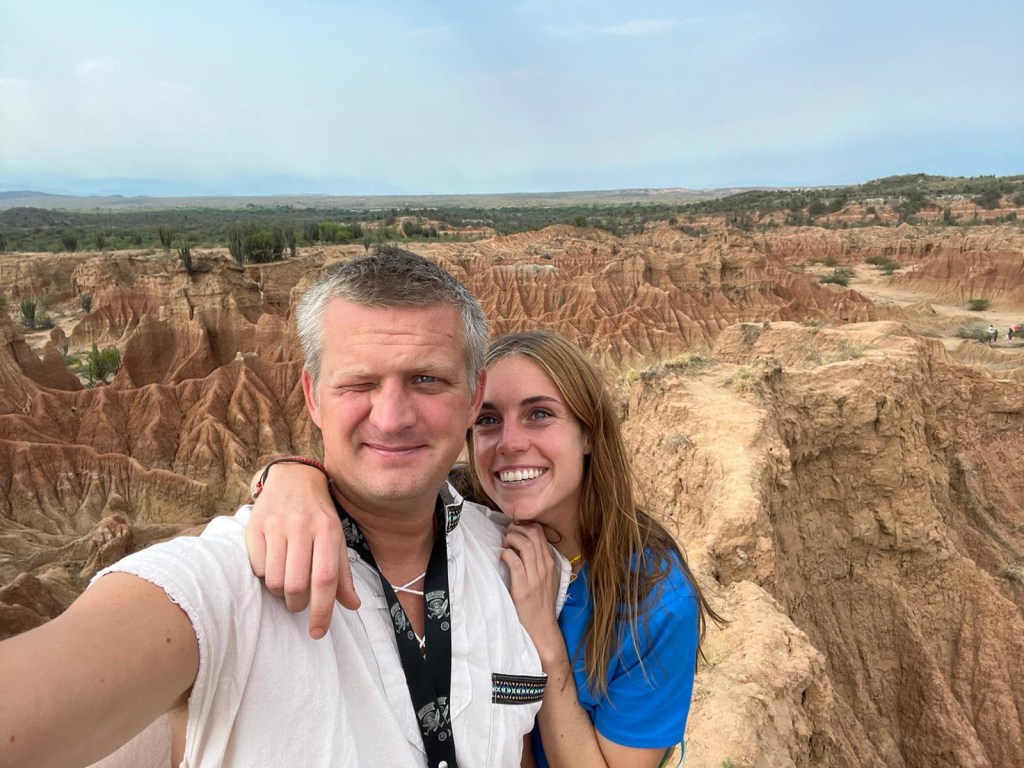
There is relatively little runoff, and animal and plant life is adapted to the conditions of low humidity and high temperatures. The plants in this area are adapted to climatic conditions through the development of horizontal roots of up to 30 meters and vertical roots up to 15 meters deep that facilitate access to water. Wildlife includes turtles, rodents, snakes, scorpions, eagles, alligators, wildcats, and our old friends the cacti, reaching between four and five meters high.
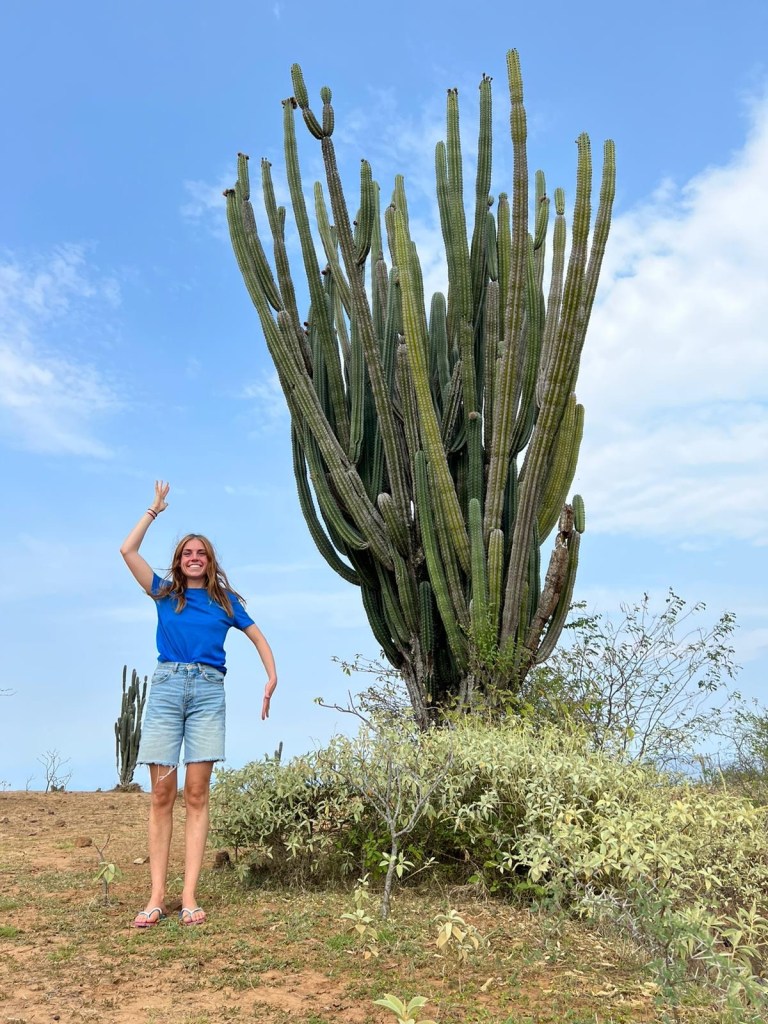
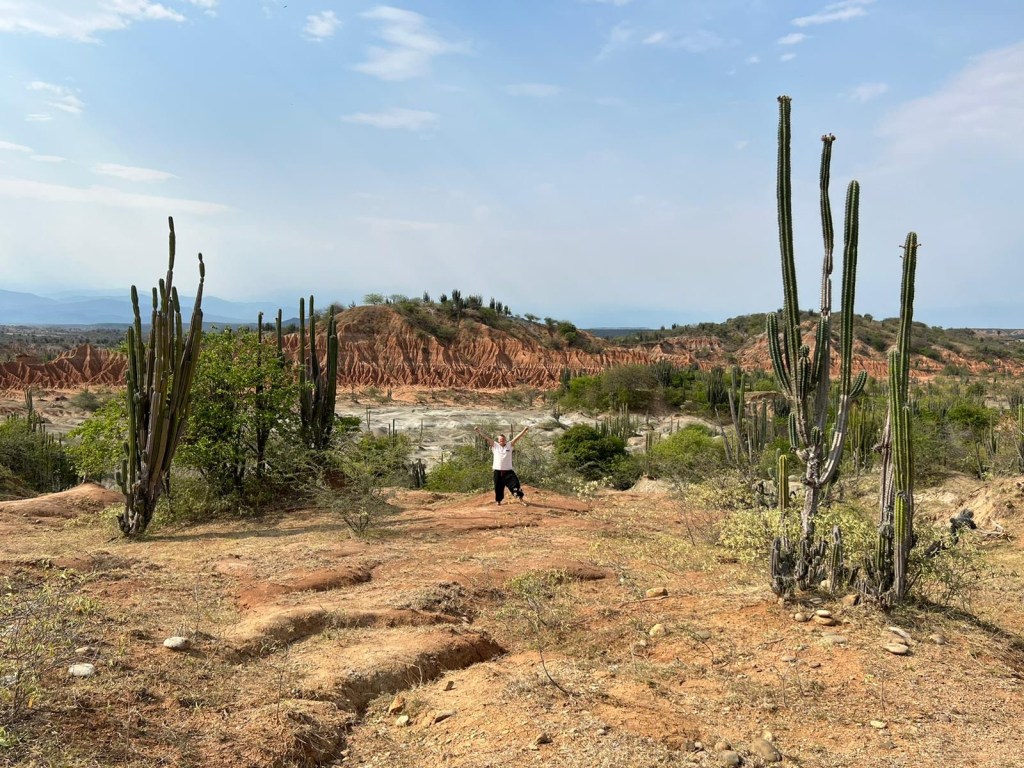
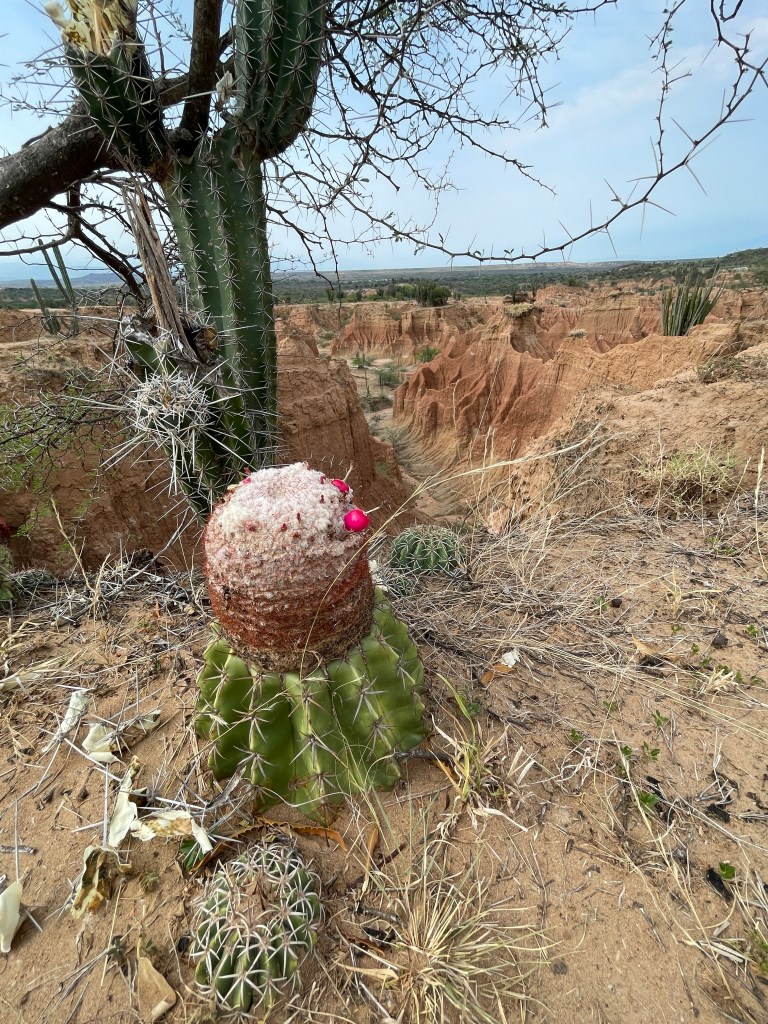
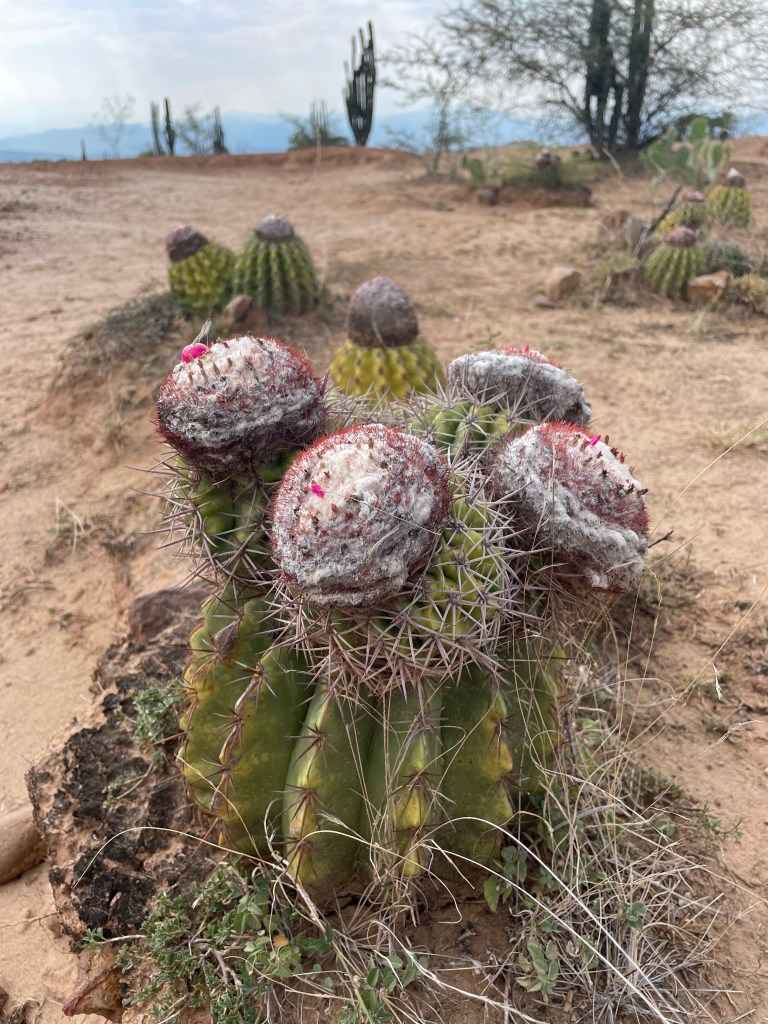
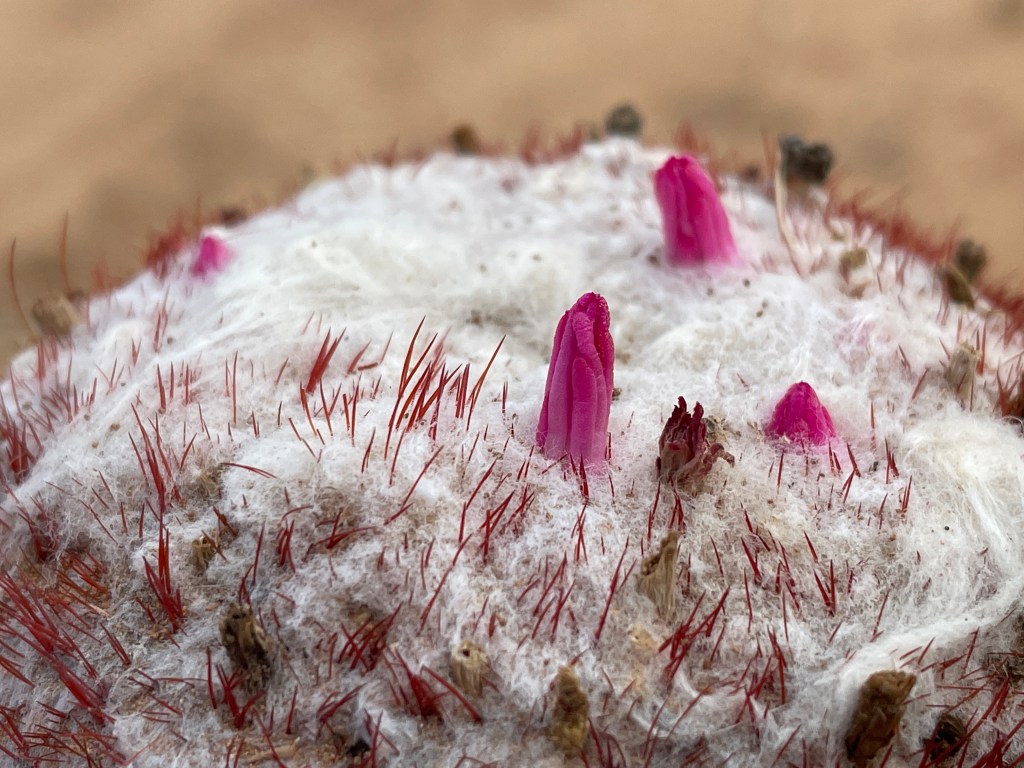
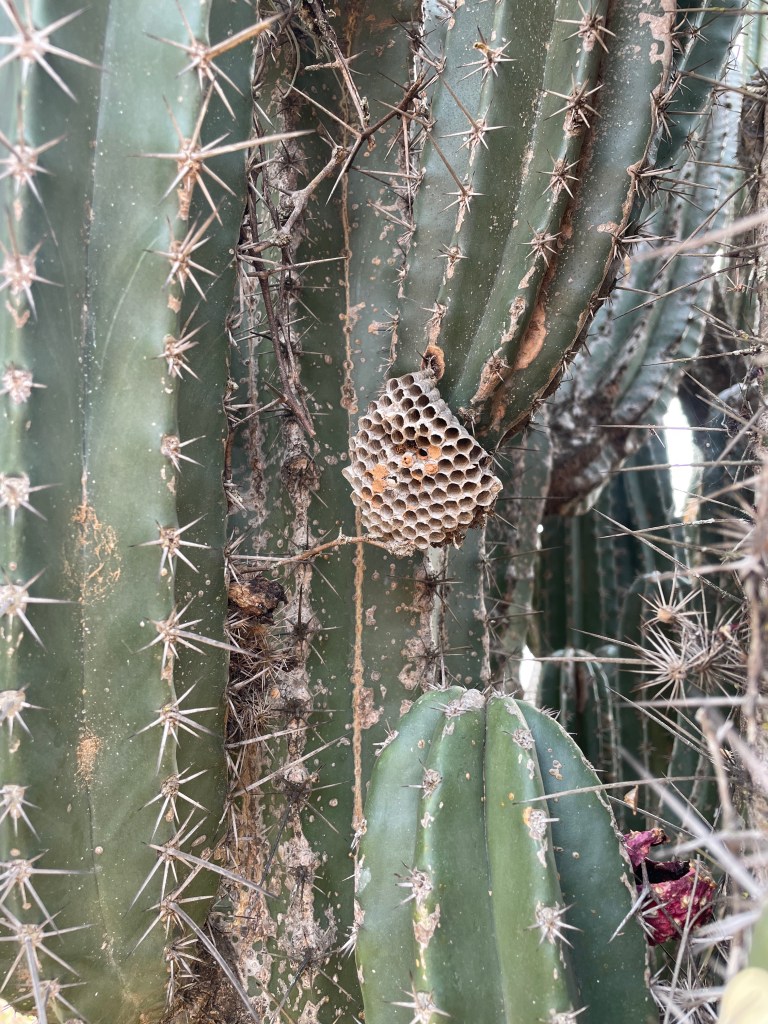
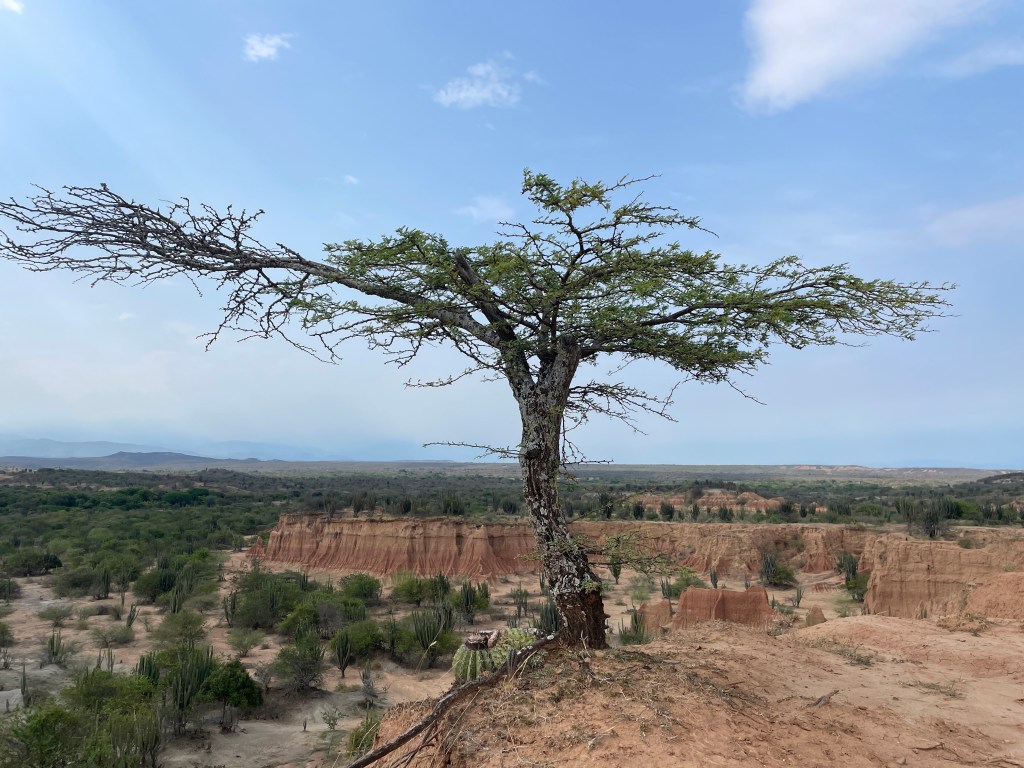
We loved it.
Not really knowing where to go, we picked the Valle del Cocora next because of Konrads recommendation. Thanks Konrad !
Driving out of Tatacoa,
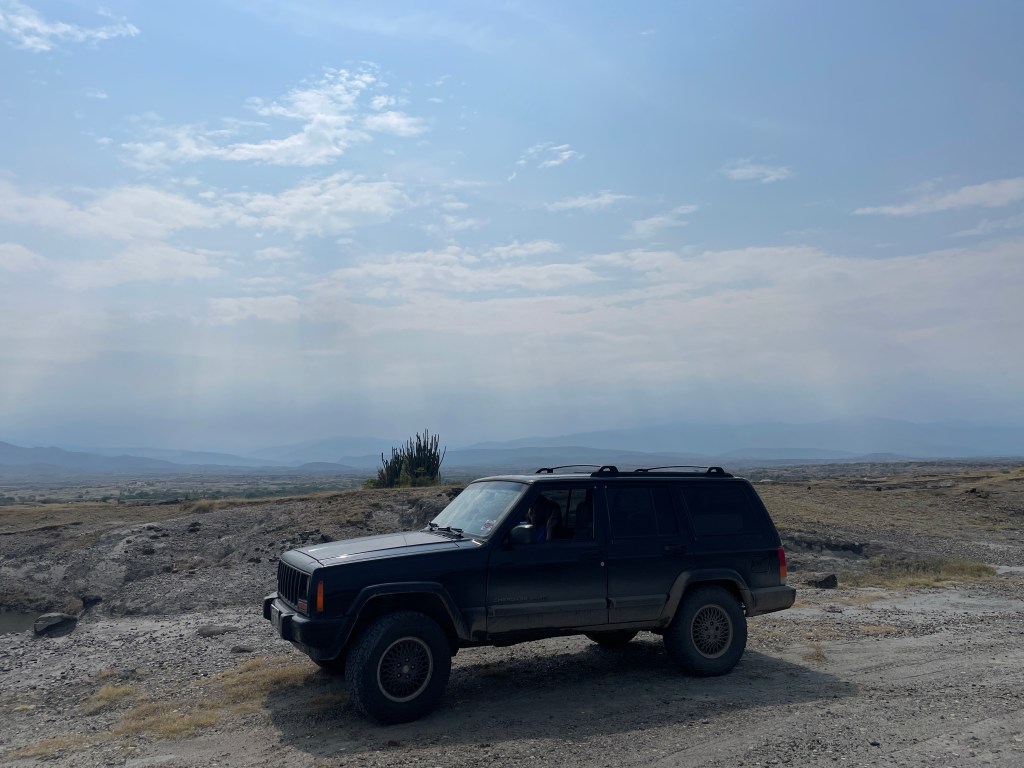
we saw the two Cordilleras on both sides !
You have to cross the Cordillera Central for that. (the left one) So we did. Berserker drive covered with thousands of trucks, coffee plantations and bananas palms. Beautiful but the nutties drive so far.
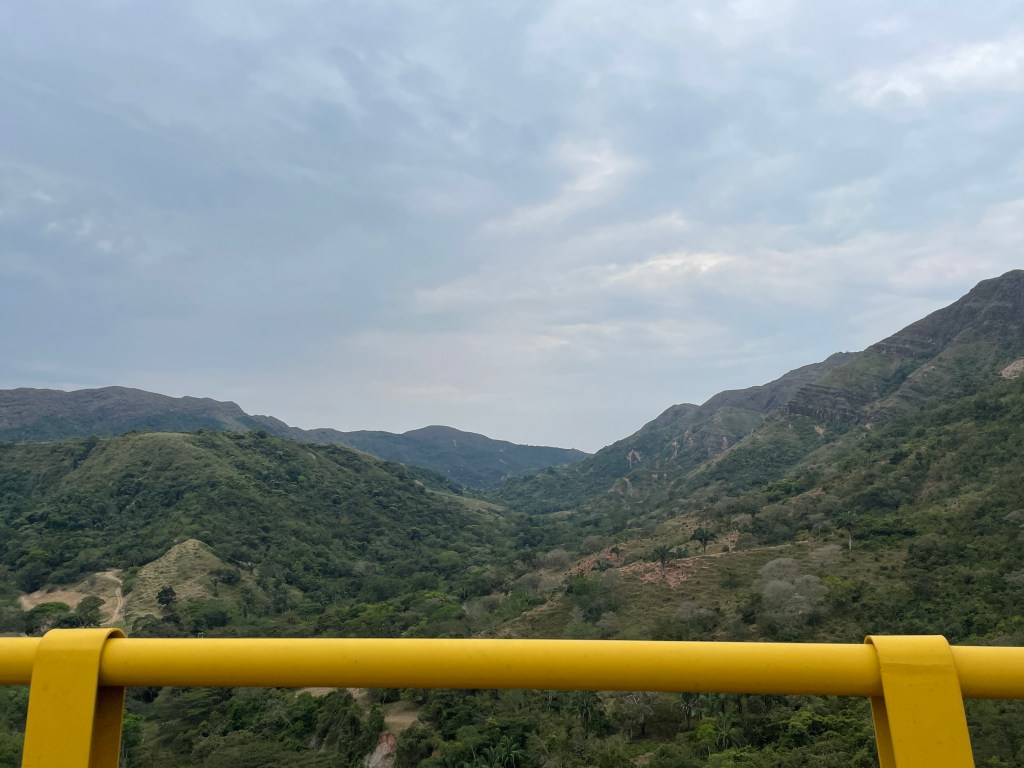
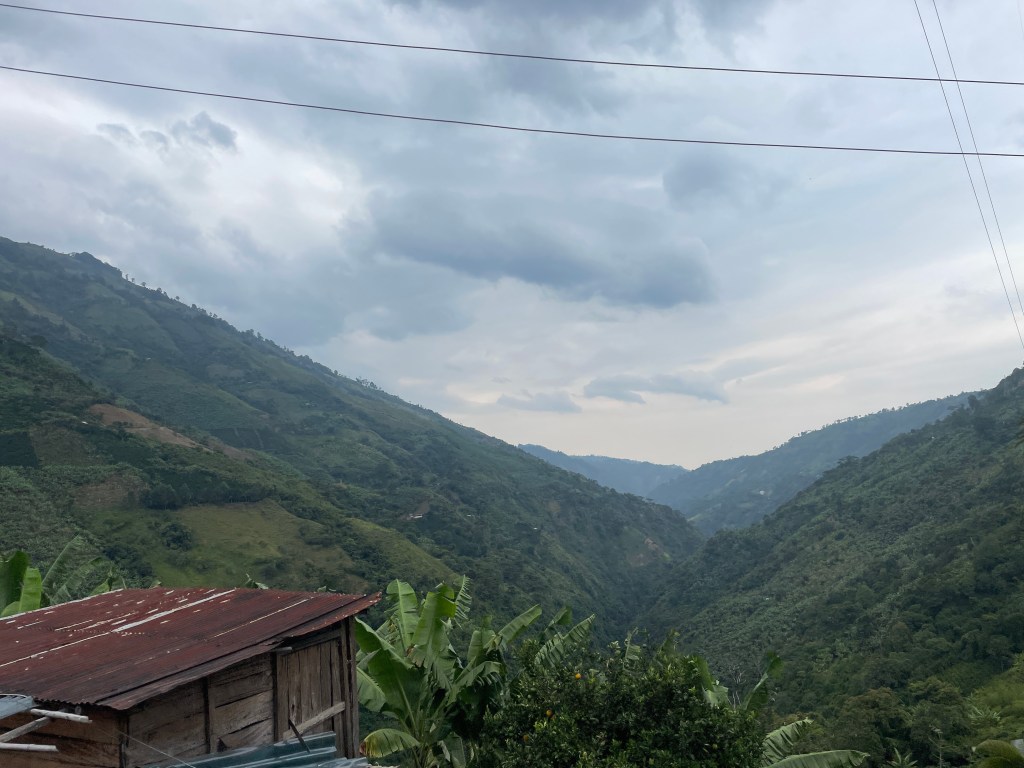
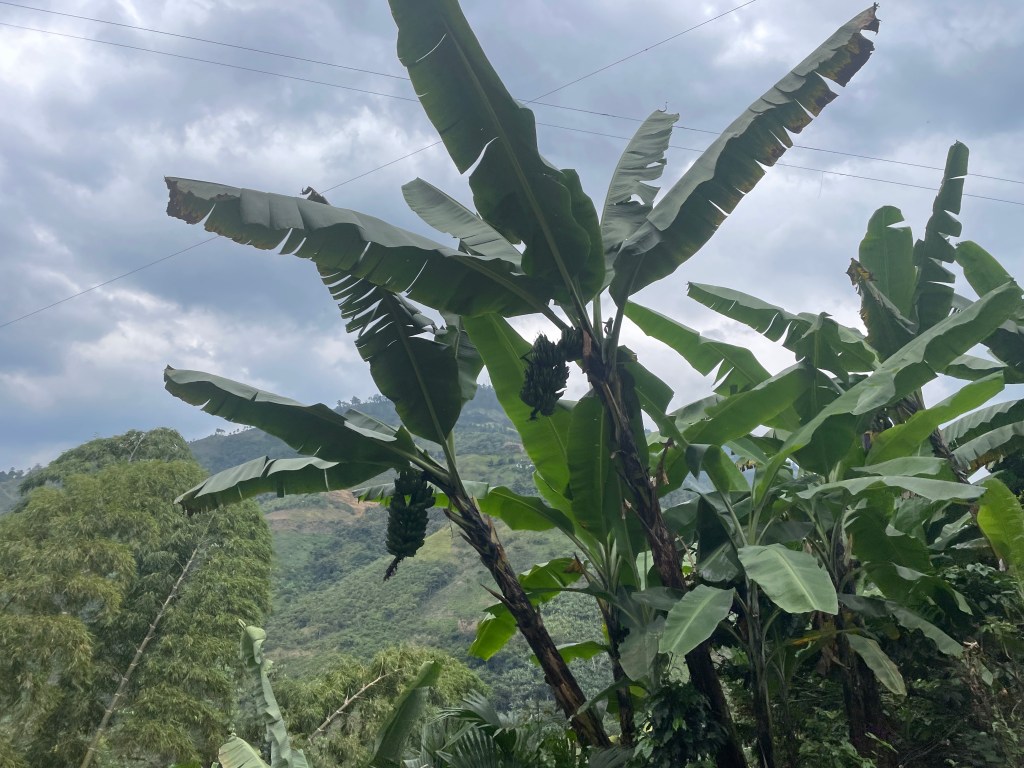
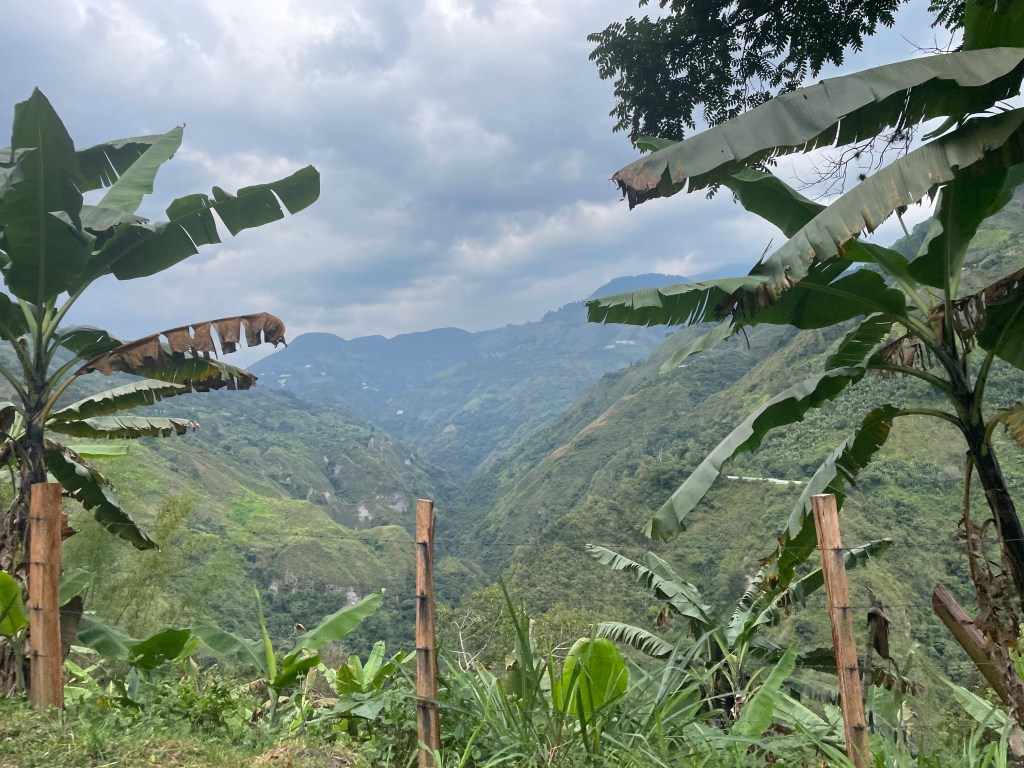

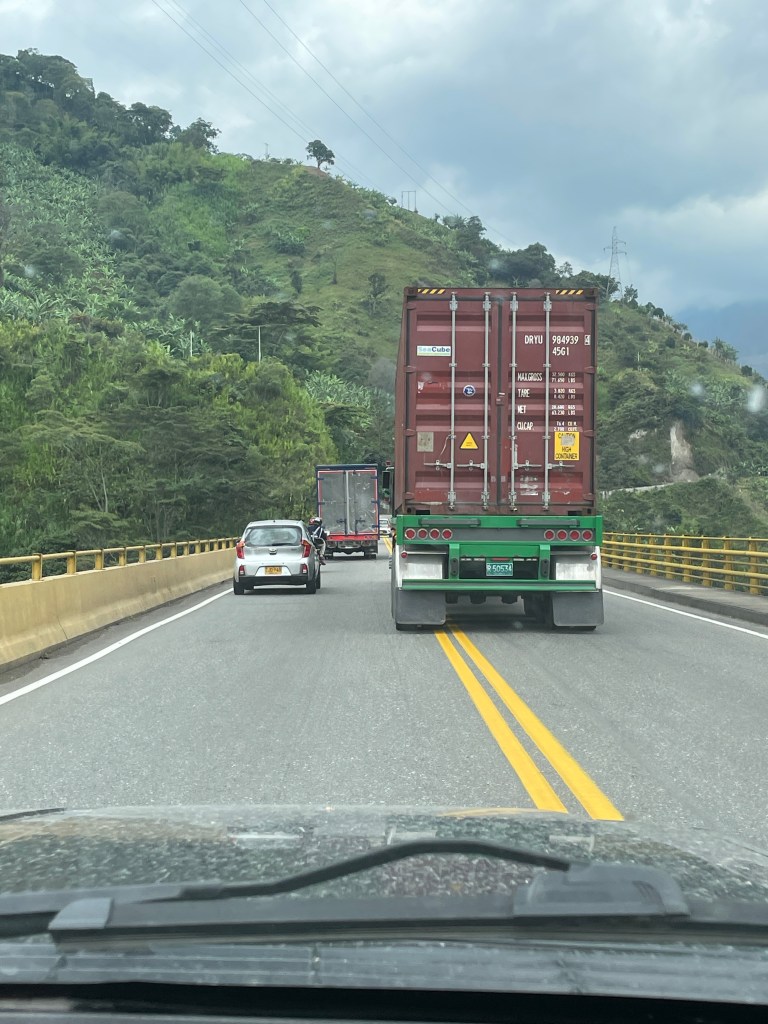
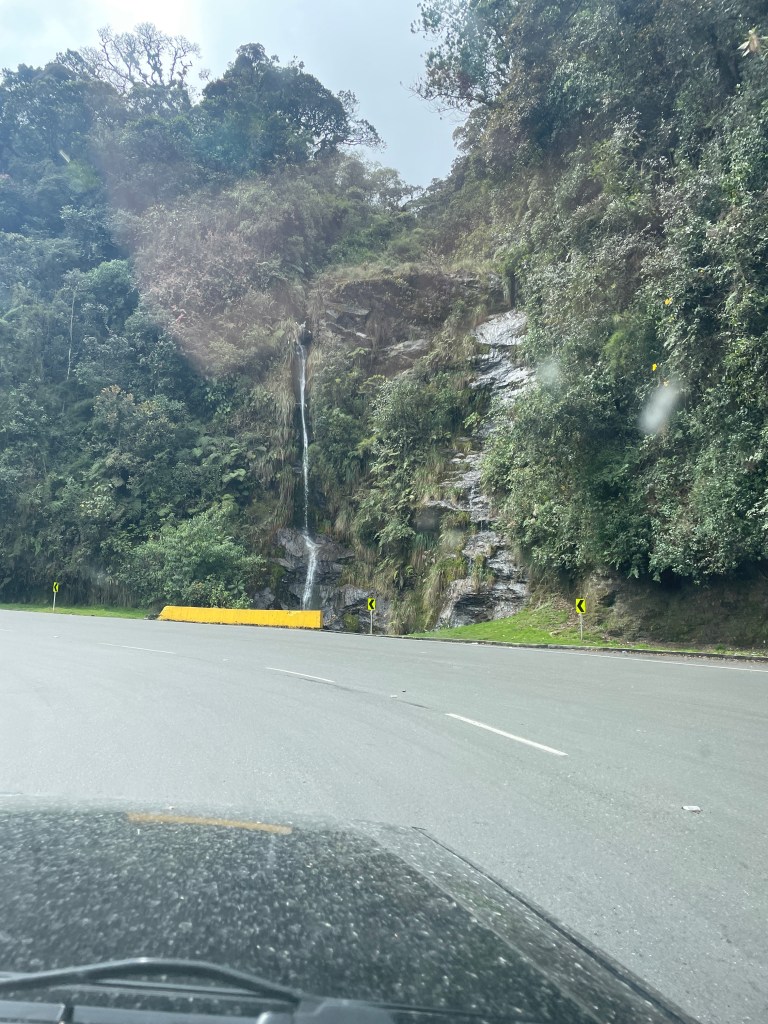
We crossed the peak after around 6-7 hours. We have no way of finding out how high it is up there but judging by the speed of the clouds and the temperature, it must have been over 3000 .
And down the amazing mountain pass on the other side.
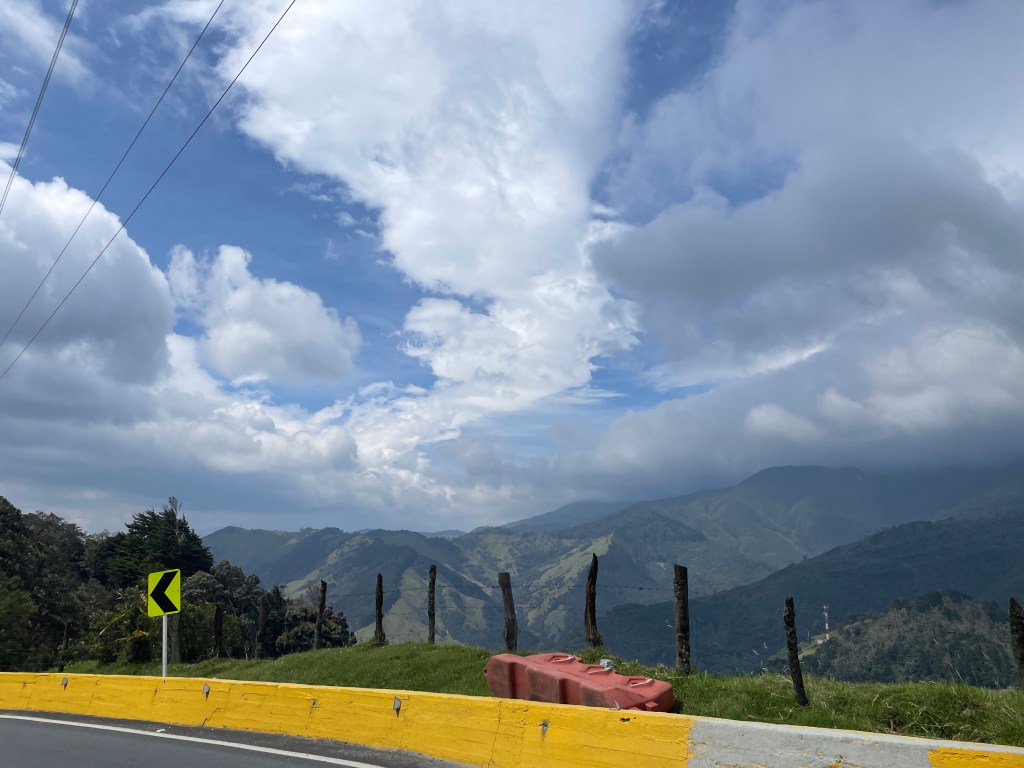
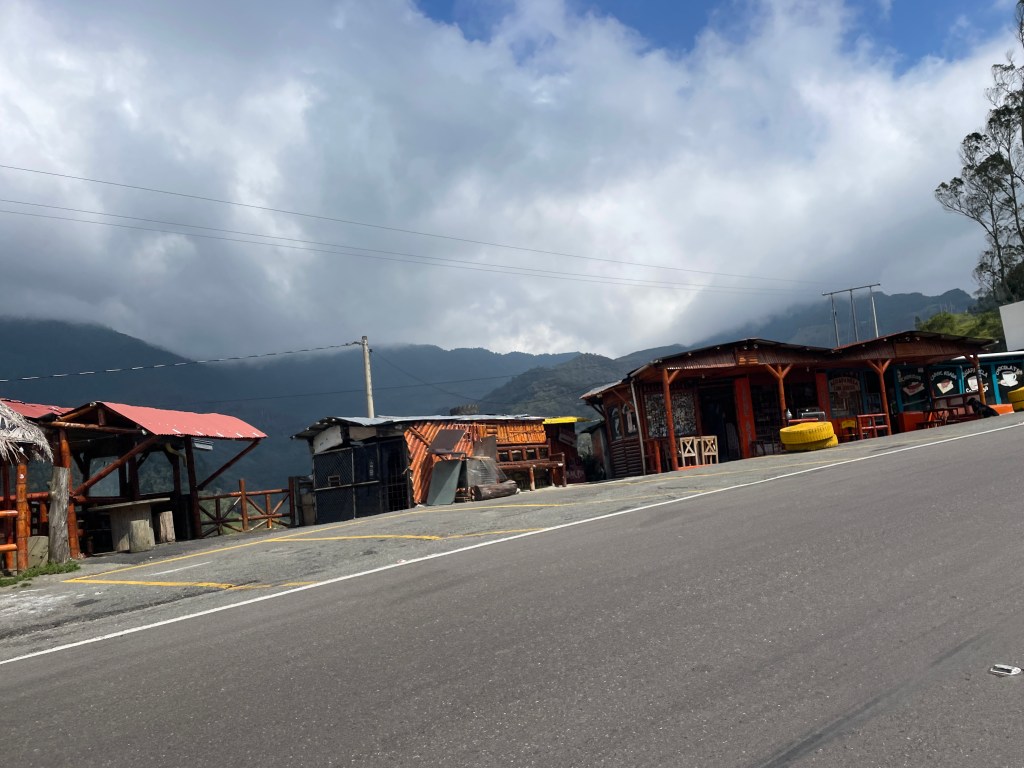
This is what local guides say about this pass :“Mental drive with endless switchbacks dominated by articulated lorries! Worth it for the scrap book… but careful!“ And Lus race licensed response:
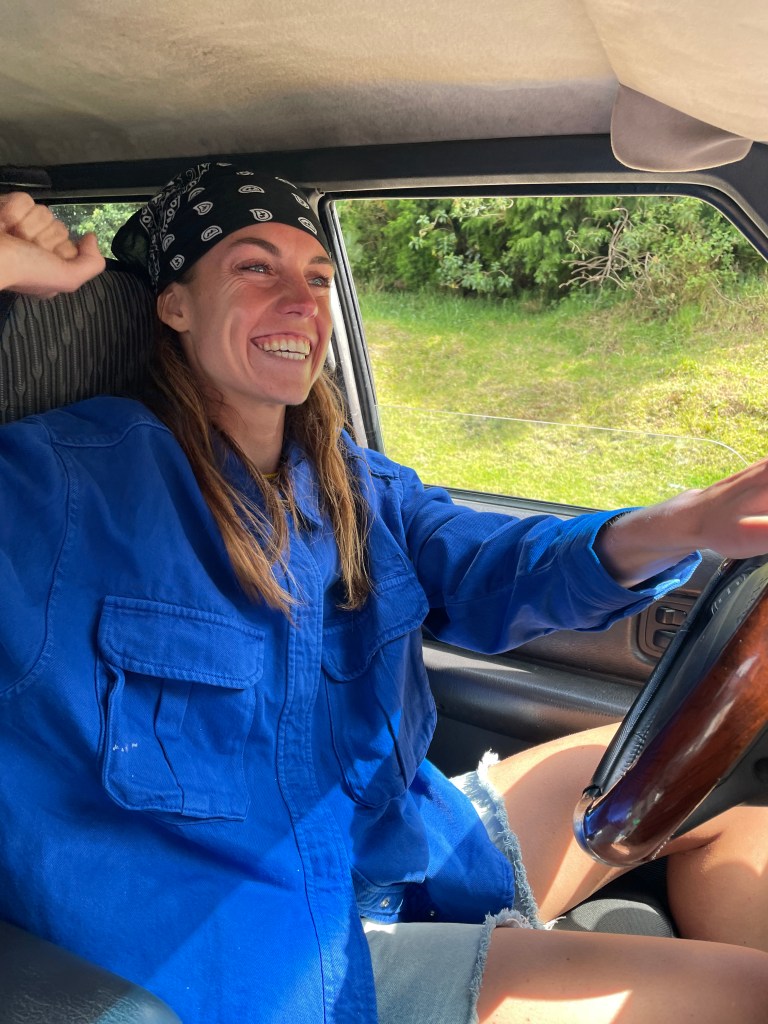
I love her !
I will just quickly mention Salento because of the name. Shout out the the Franken at this point. I had to send him a pic and do a stupid joke.. Love you brother !
Salento is the hellish super touristy village before the beautiful Cocora valley. We did only a mandatory hour or so there.
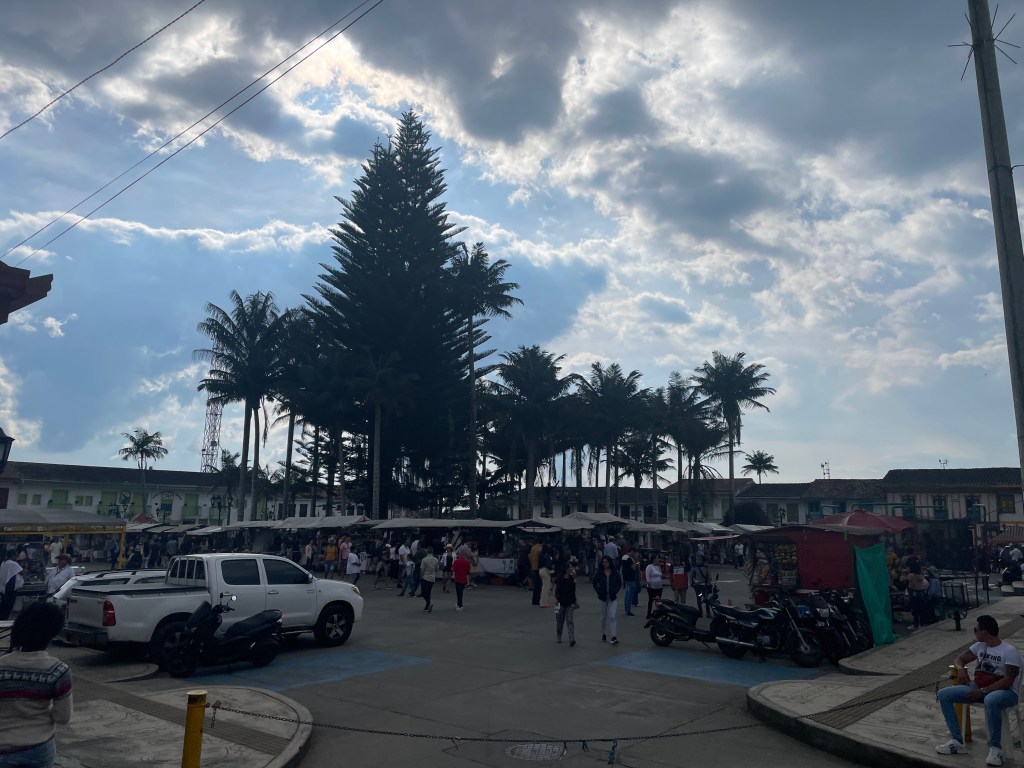
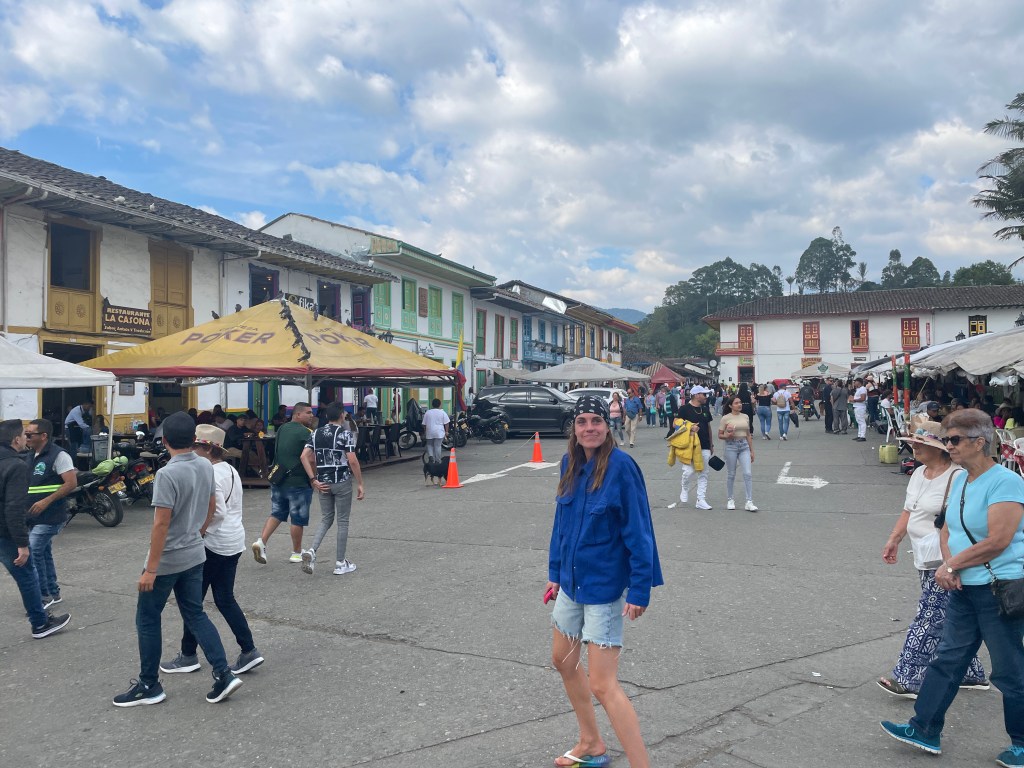
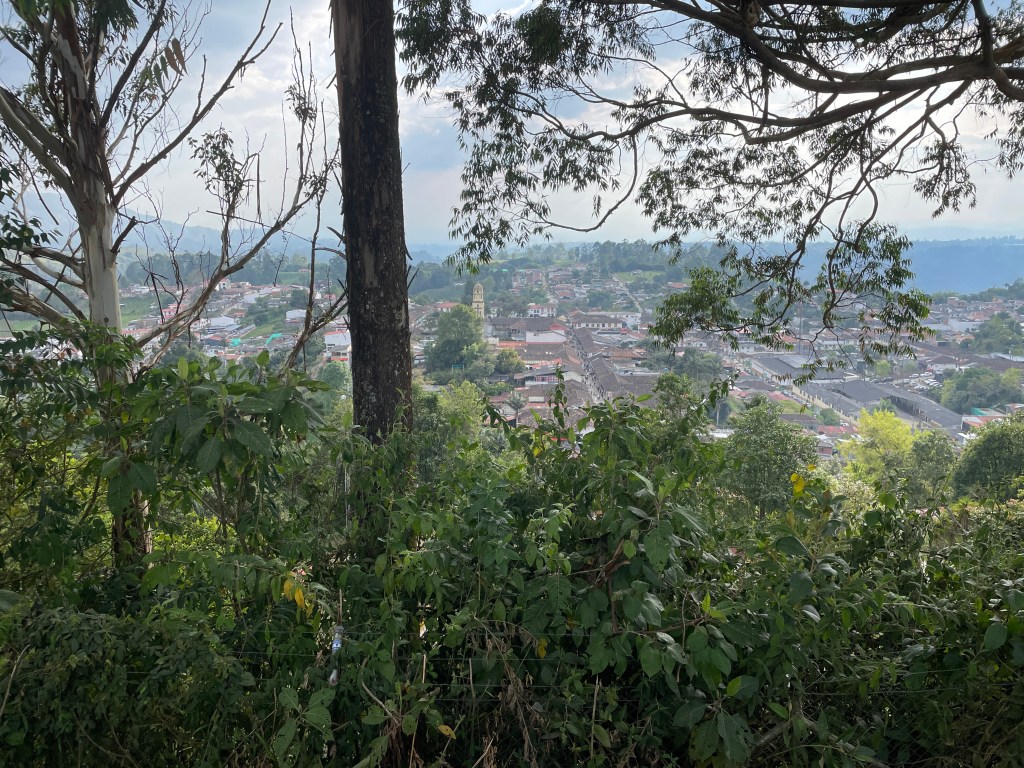
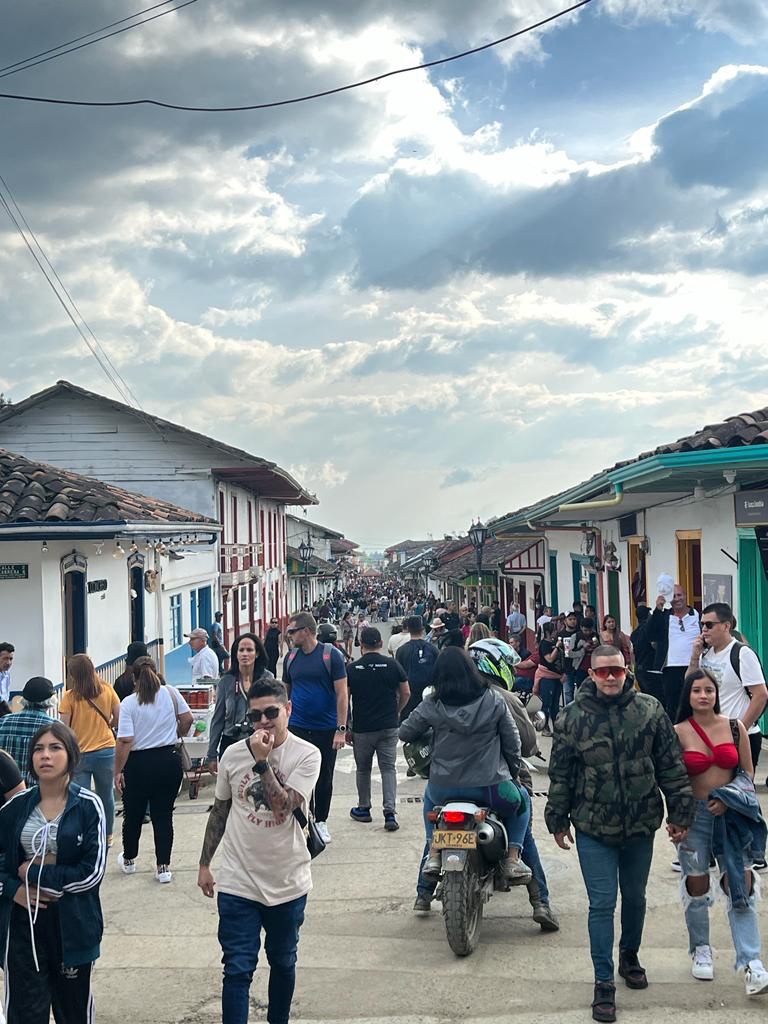
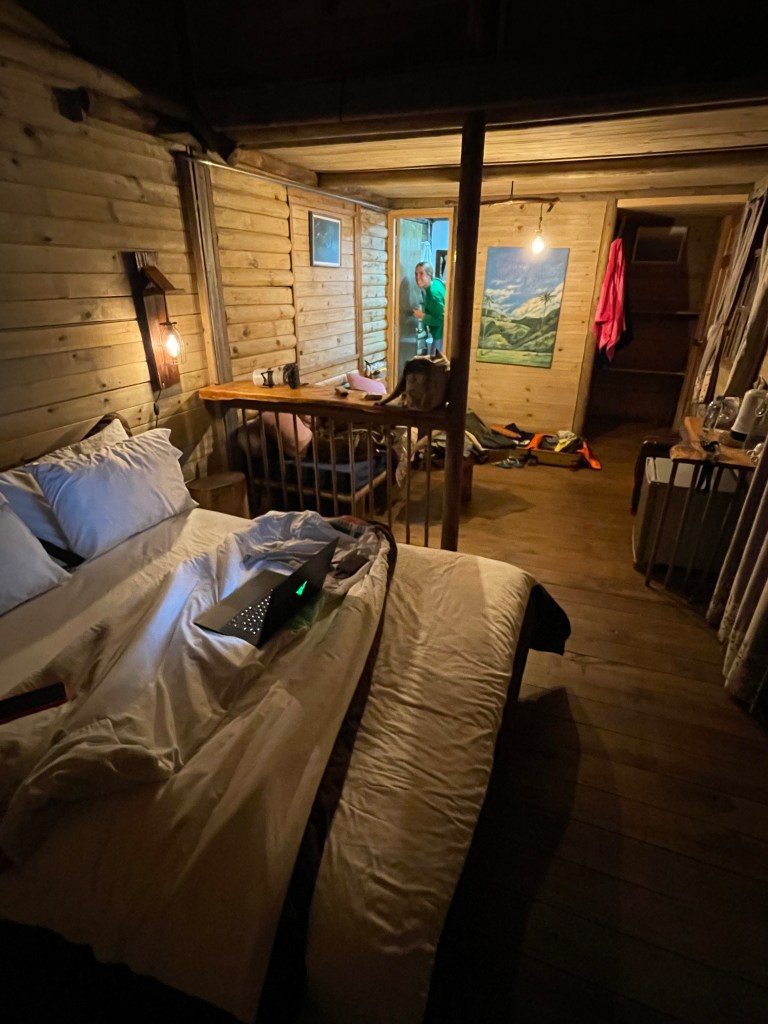
And off to the valley where we checked into our little but very cosy mountain hut.
Originally we wanted to go see the valley in early morning but having 1.5 hours left of sunlight we just could not resist. Moon was up already, so we had to be fast.
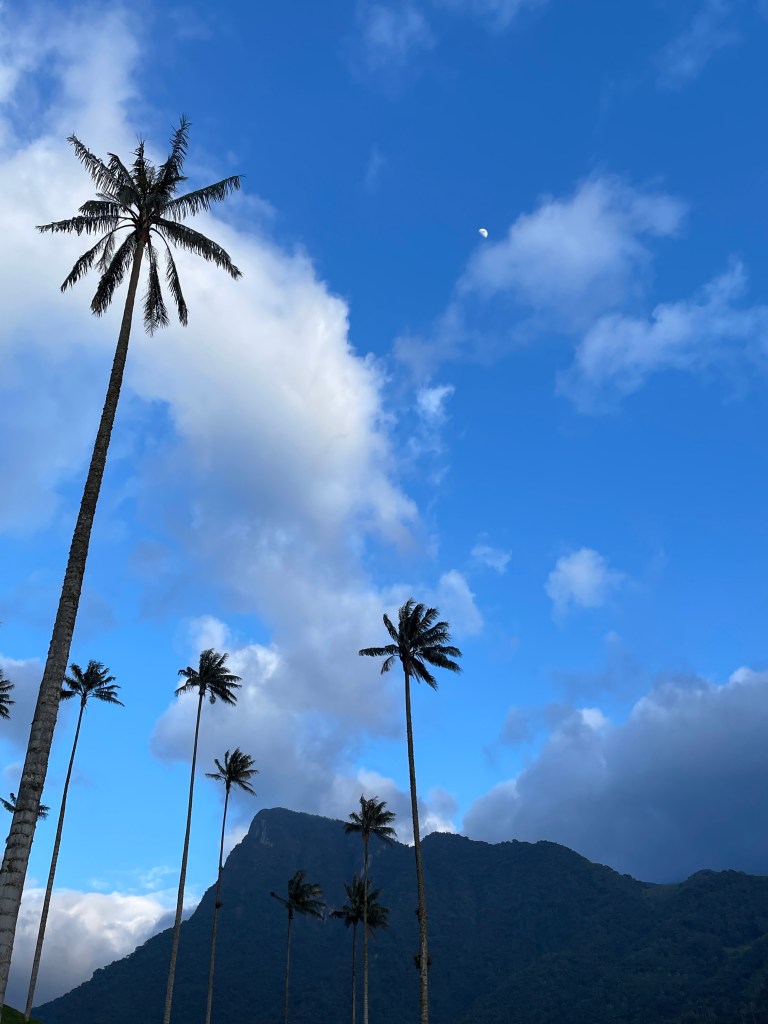
Further up than the rest of the others, obviously.
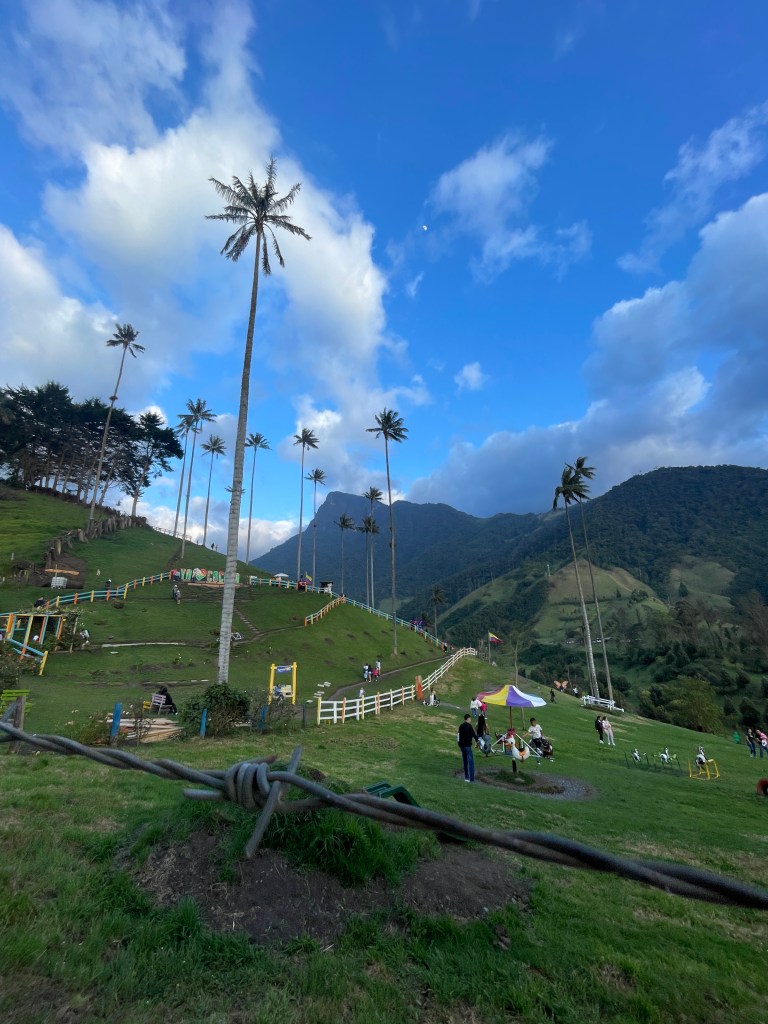
Quicky about the palms.
Ceroxylon quindiuense, often called Quindío wax palm, is a palm native to the humid montane forests of the Andes in Colombia and northern Peru. This palm species can grow to a height of 45 m or rarely, even as high as 60 m. It is the tallest recorded monocot in the world.
We caned up around 800 or so Höhenmeter in an Altenburgish Stechschritt , tiresome but beautiful.
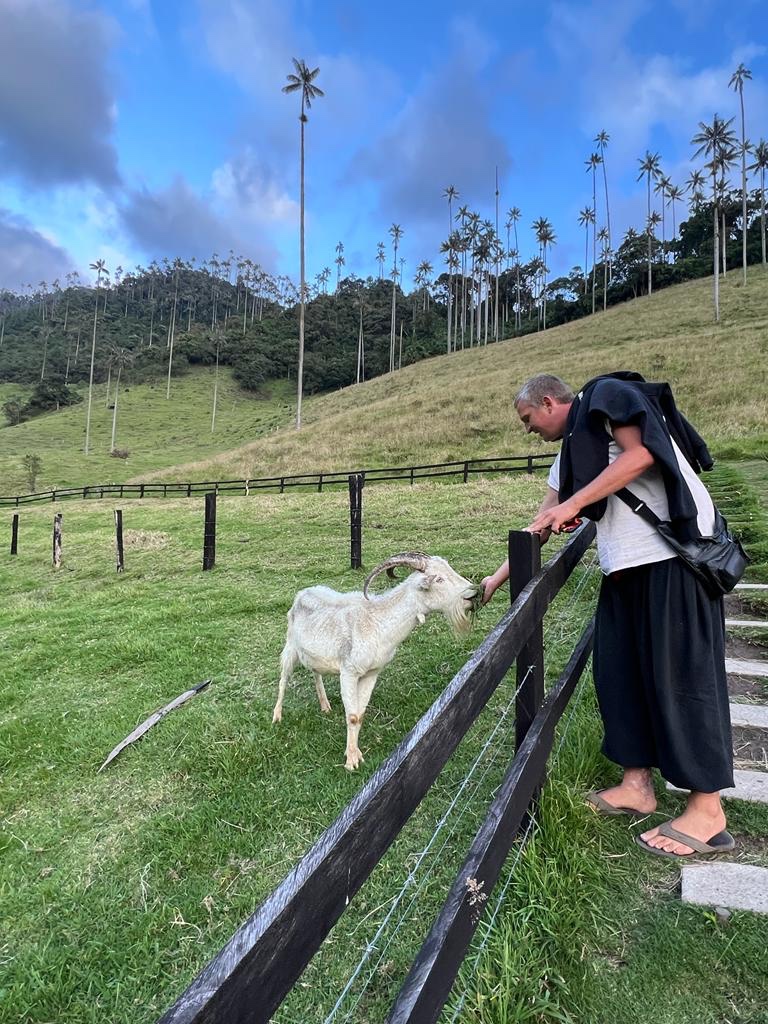
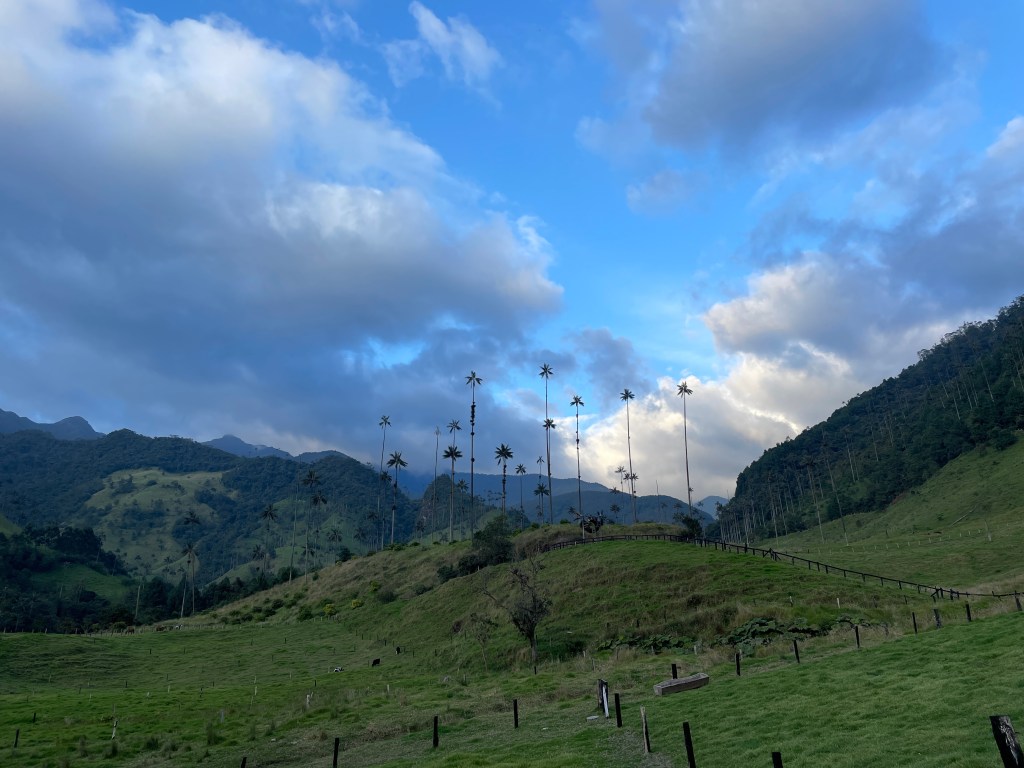
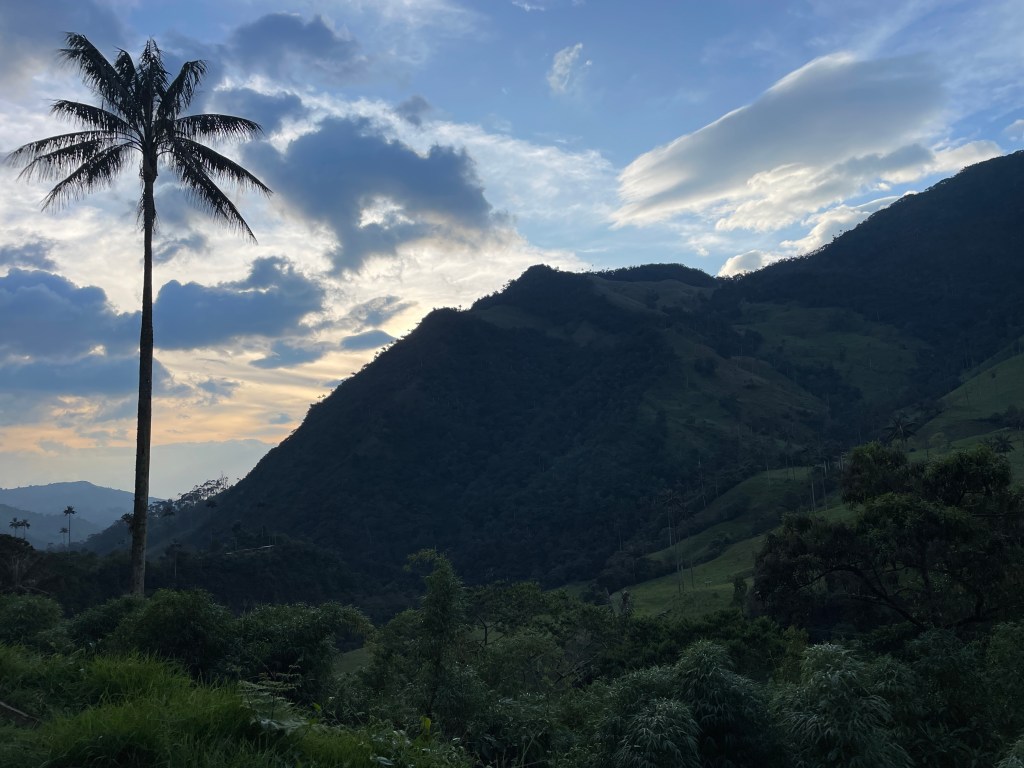
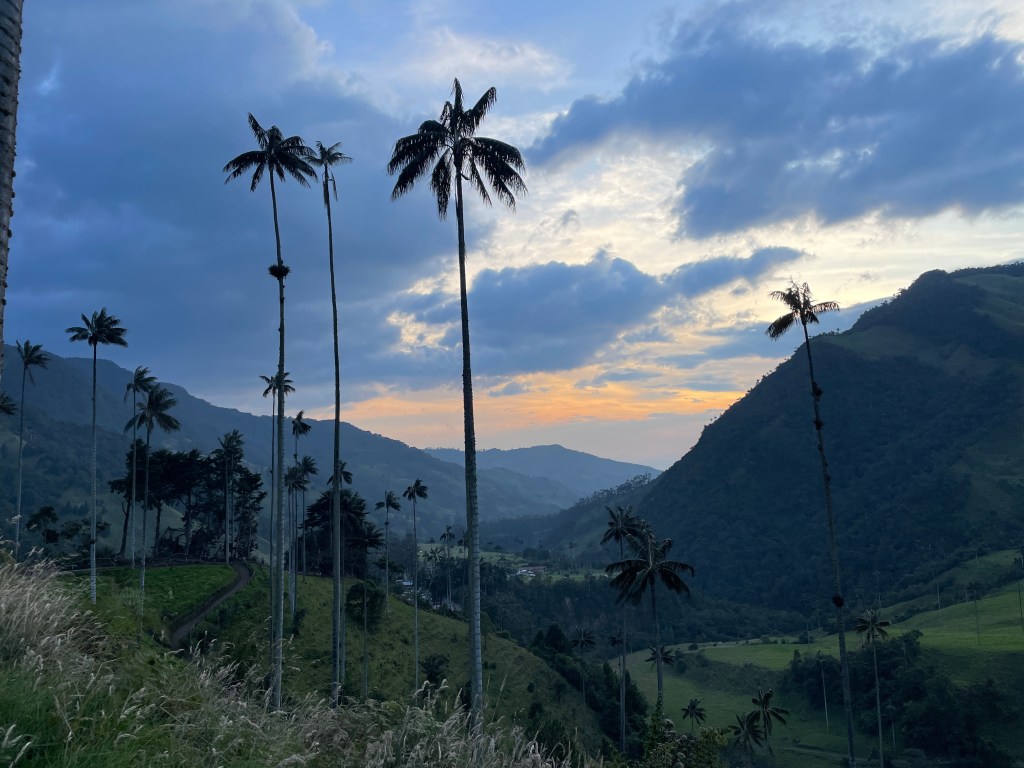
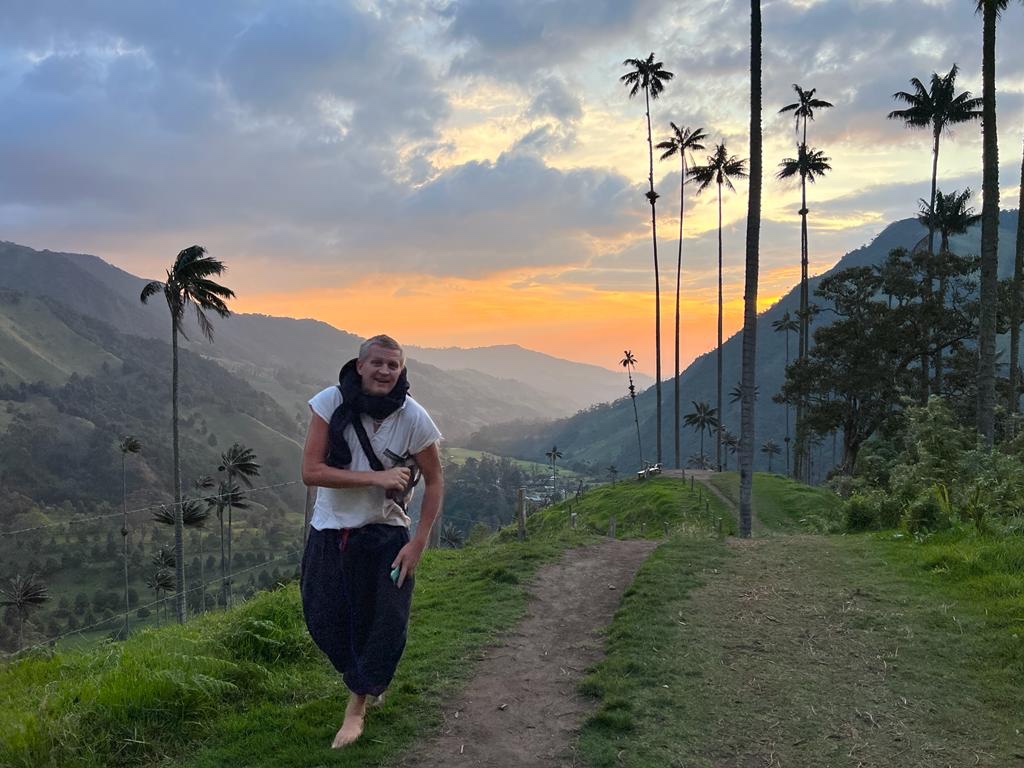
But the views you get of the Cocora valley from further up are legendary, especially at sunset.
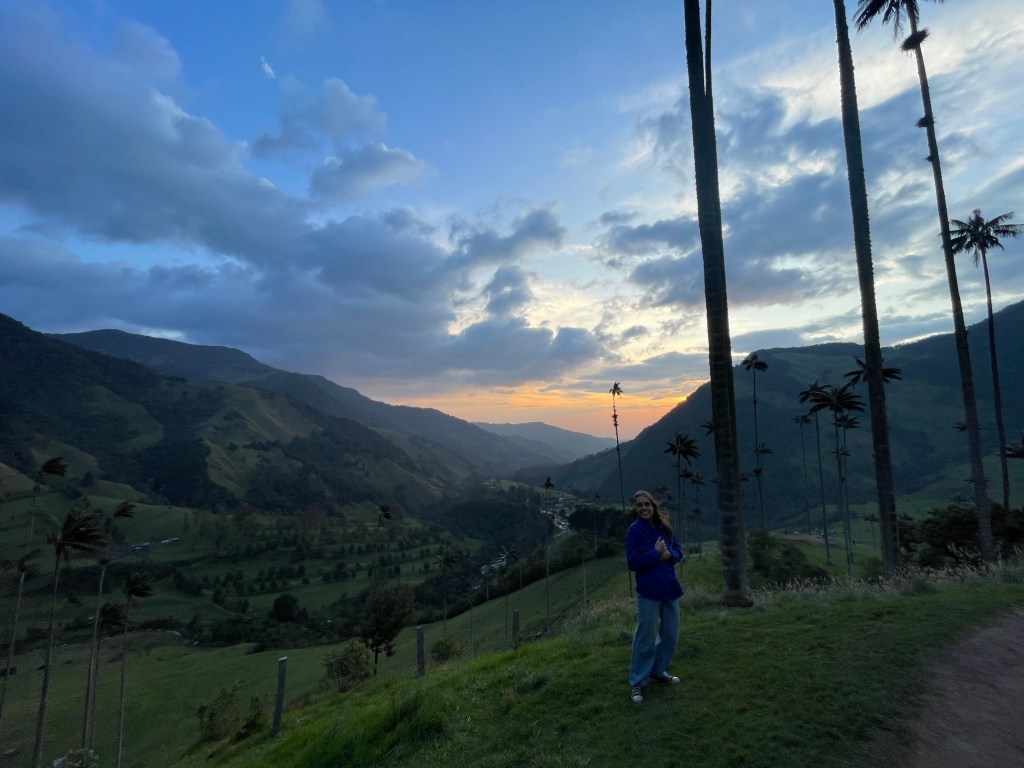
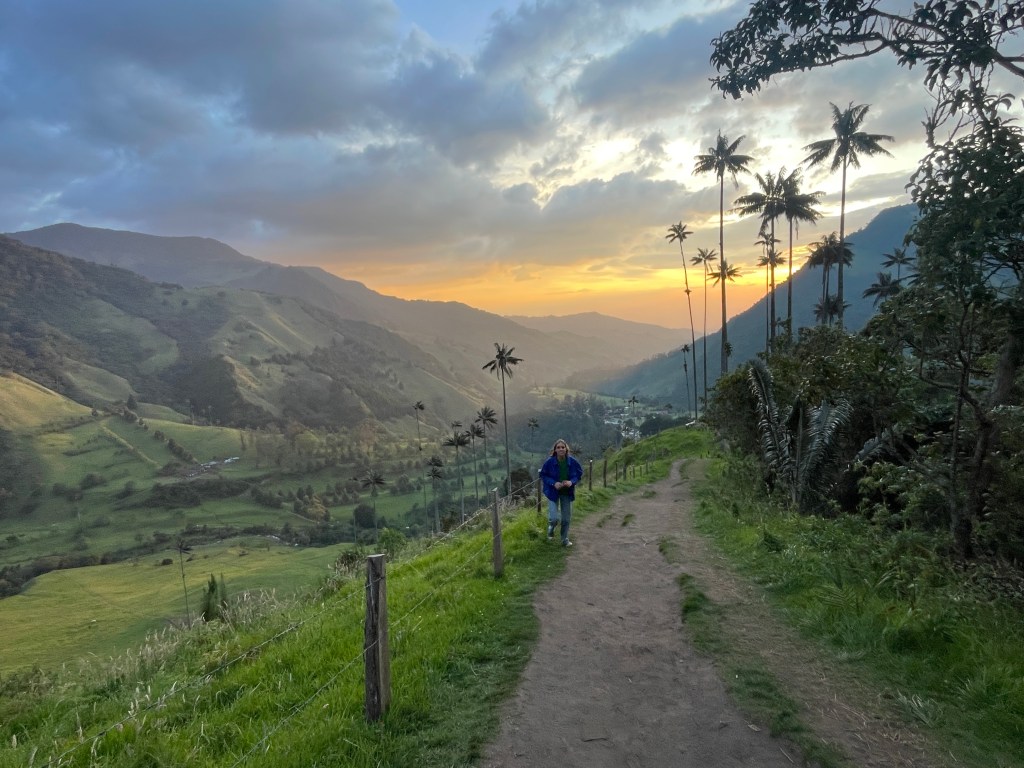
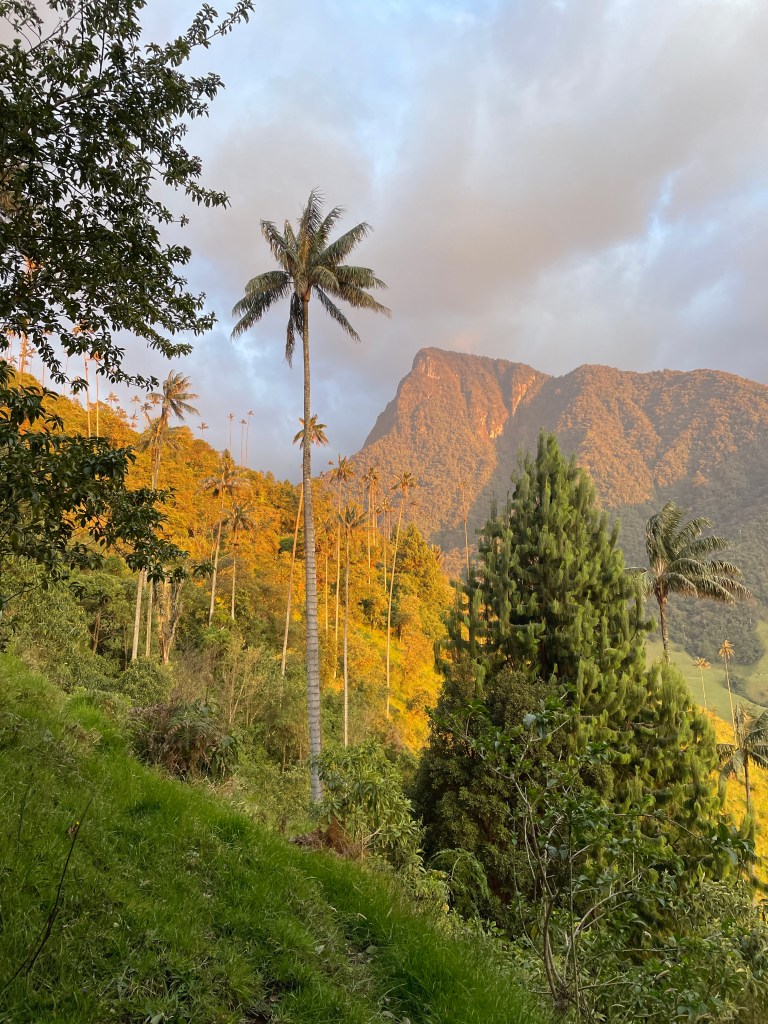
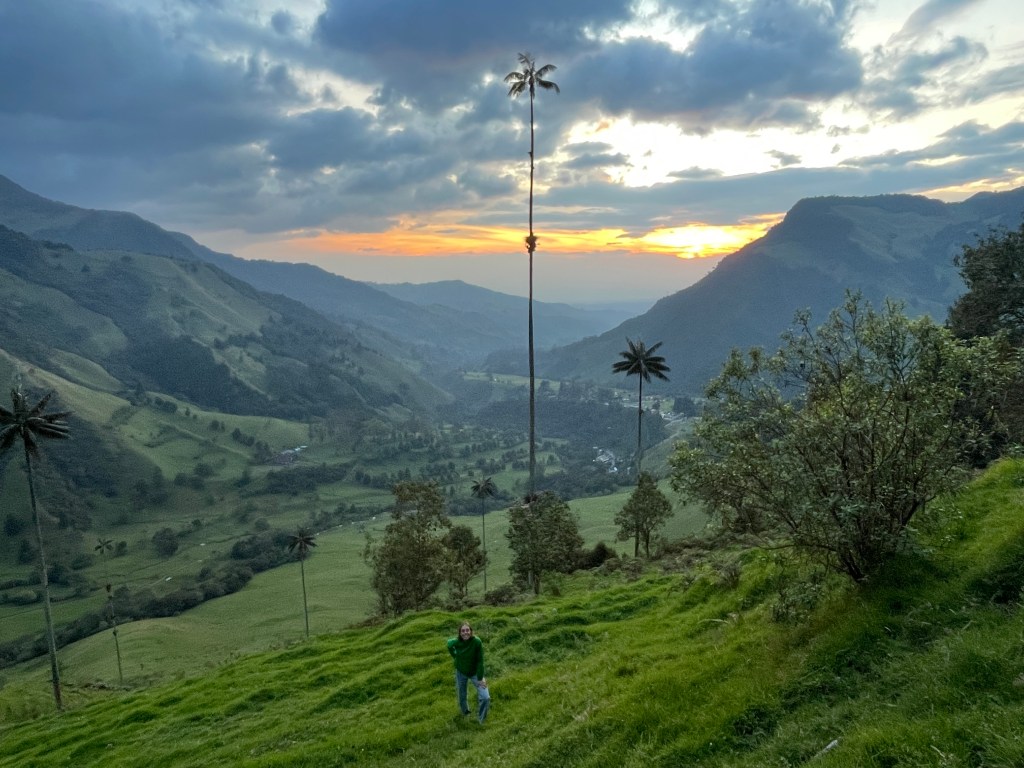
“Cocora” was the name of a Quimbayan princess, daughter of the local chief Acaime, and means “star of water”
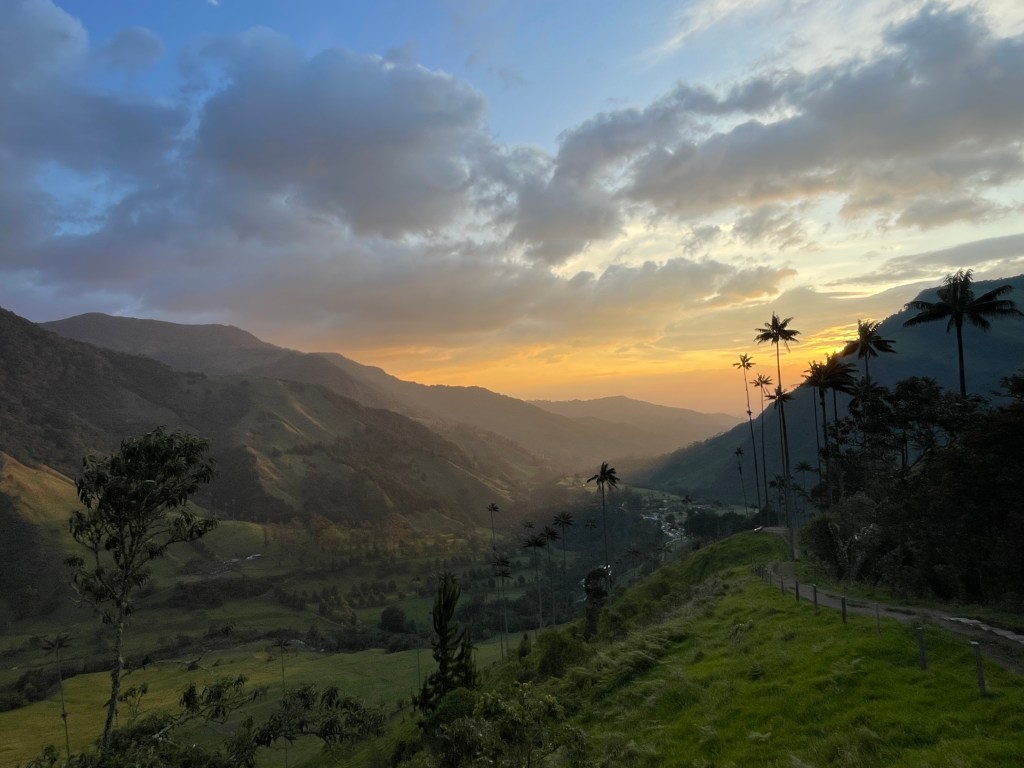
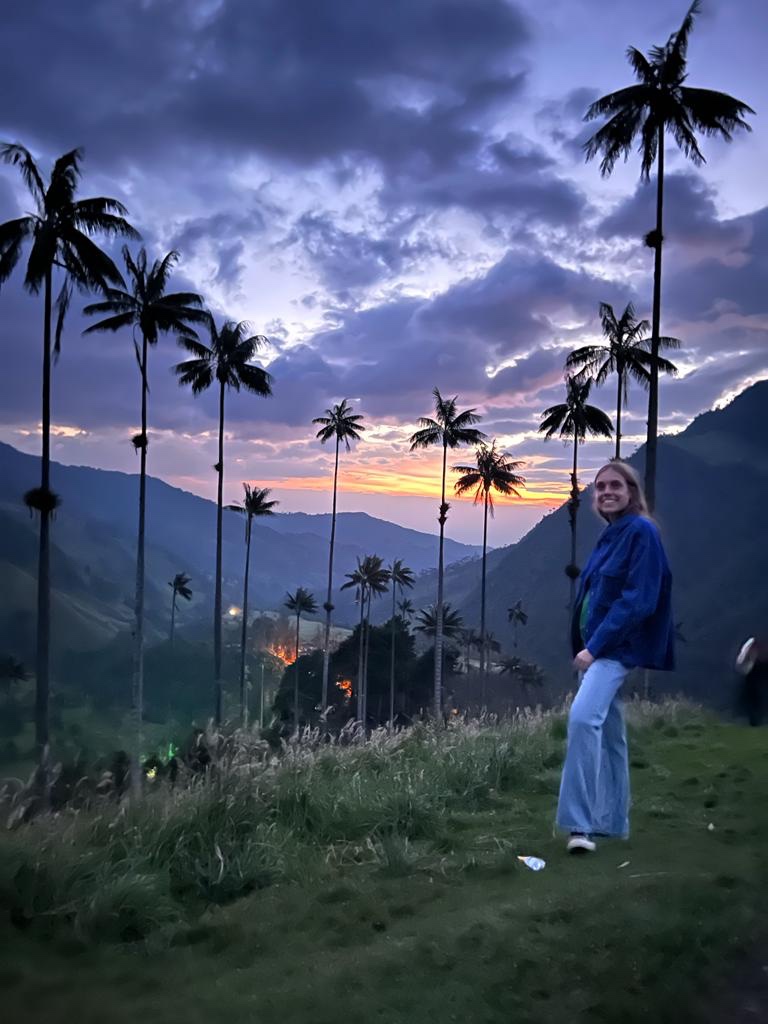
Our selfie attempts failed for a lack of light.
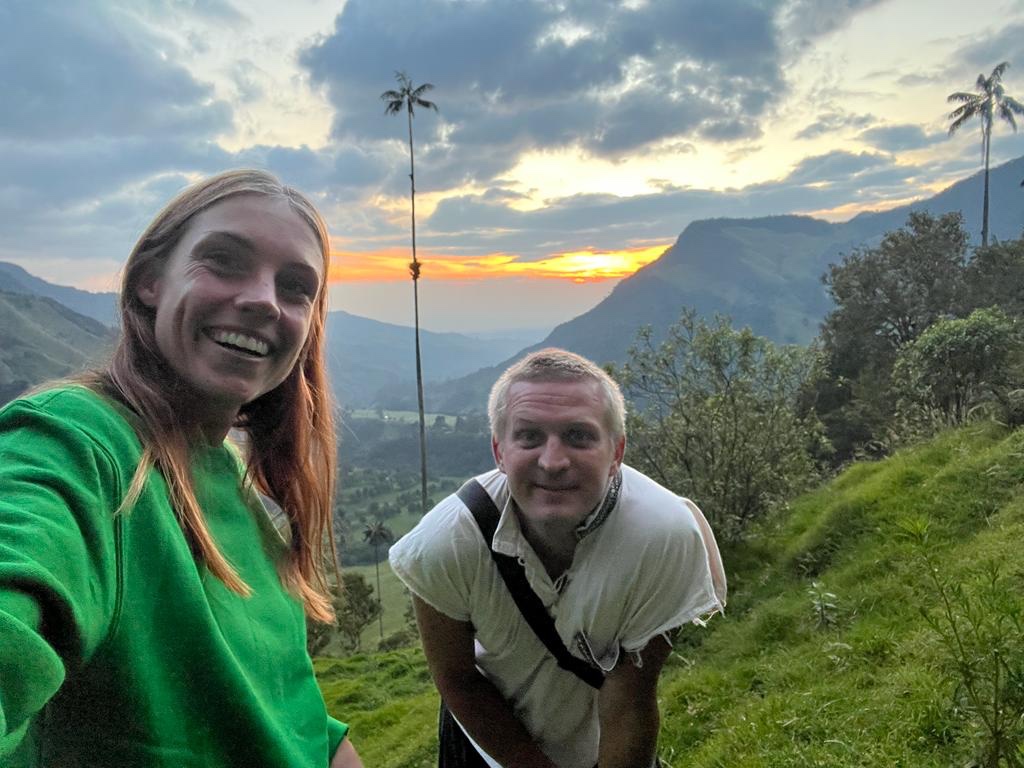
The sun went down quickly and so did we.
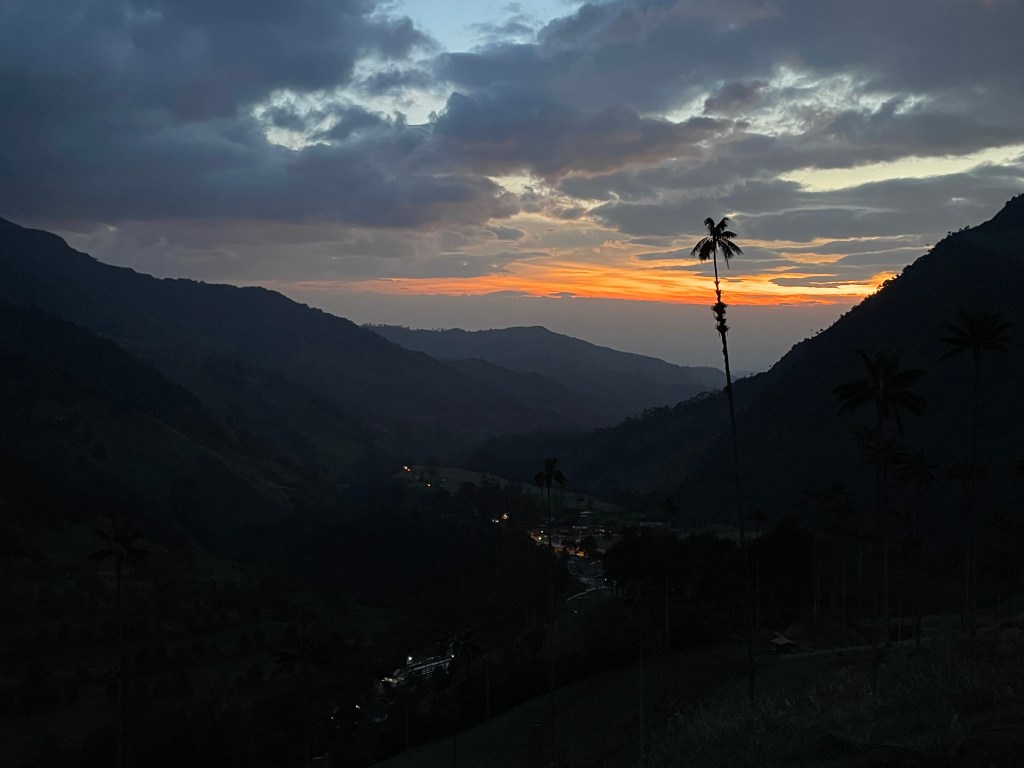
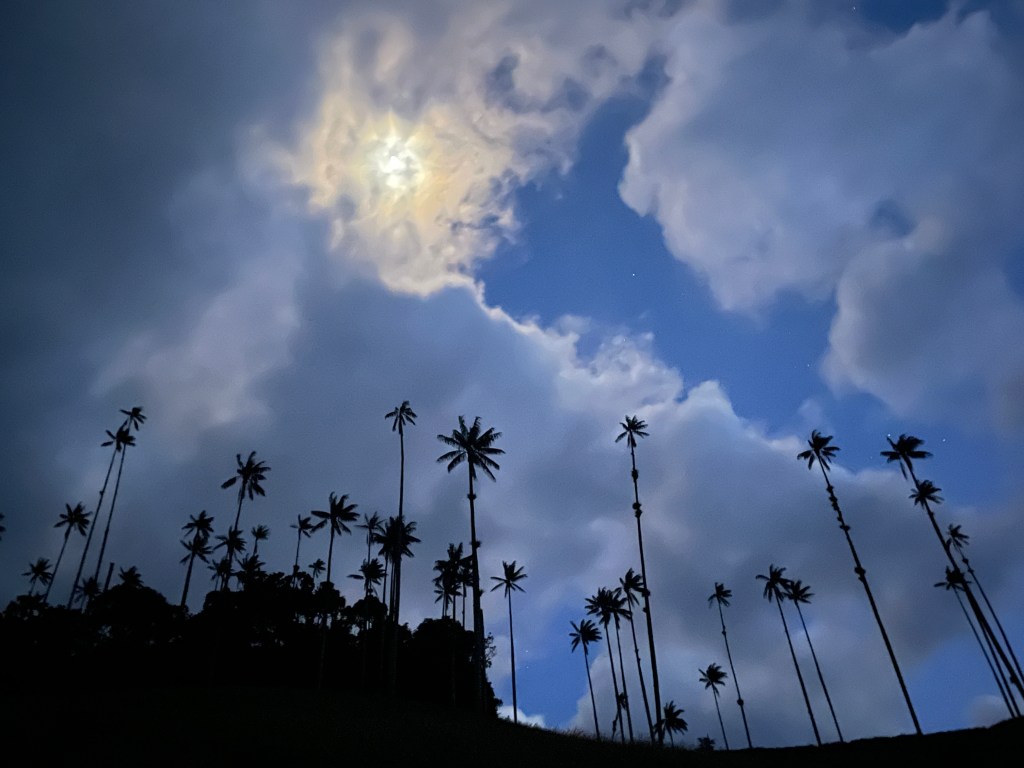
We arrived back to the cabin at 6.55 , at 7 they would have stopped serving us food. So quick pechuga and a glass of Sangira and to bed at 7.30.
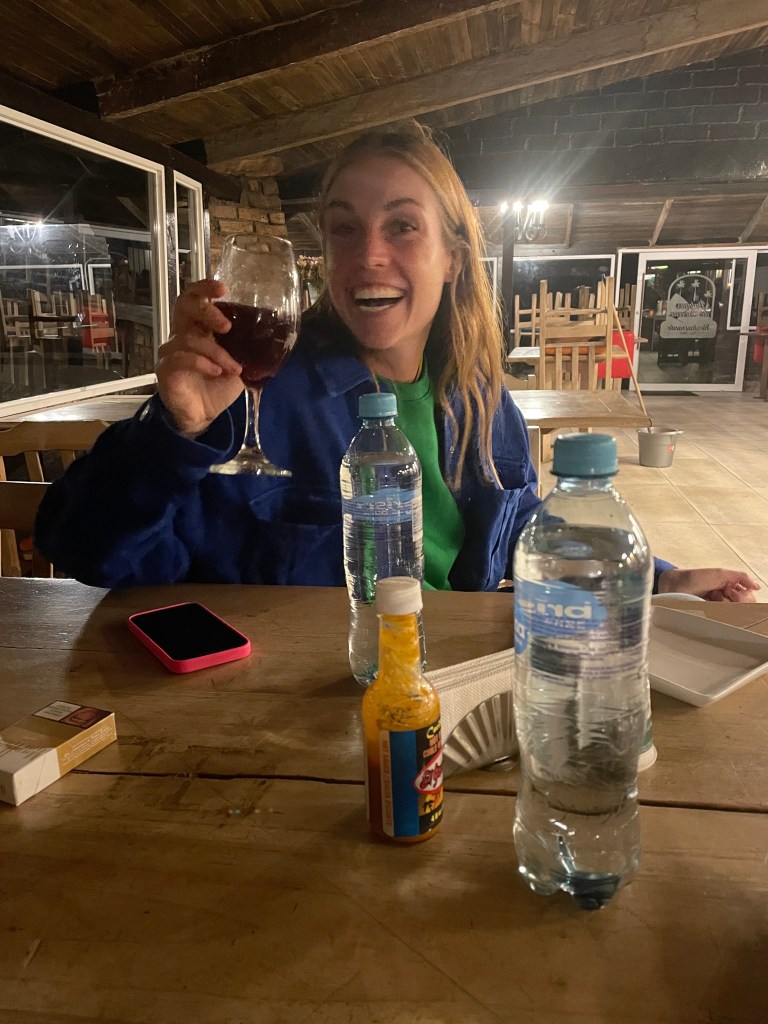
Both of us ecstatic! Waking up in the rattlesnake desert, crossing the Cordillera Central to have the star of water in the sunset.
What a day!

 El viaje
Leave a reply to colly Cancel reply